 ColorBee Photography Tours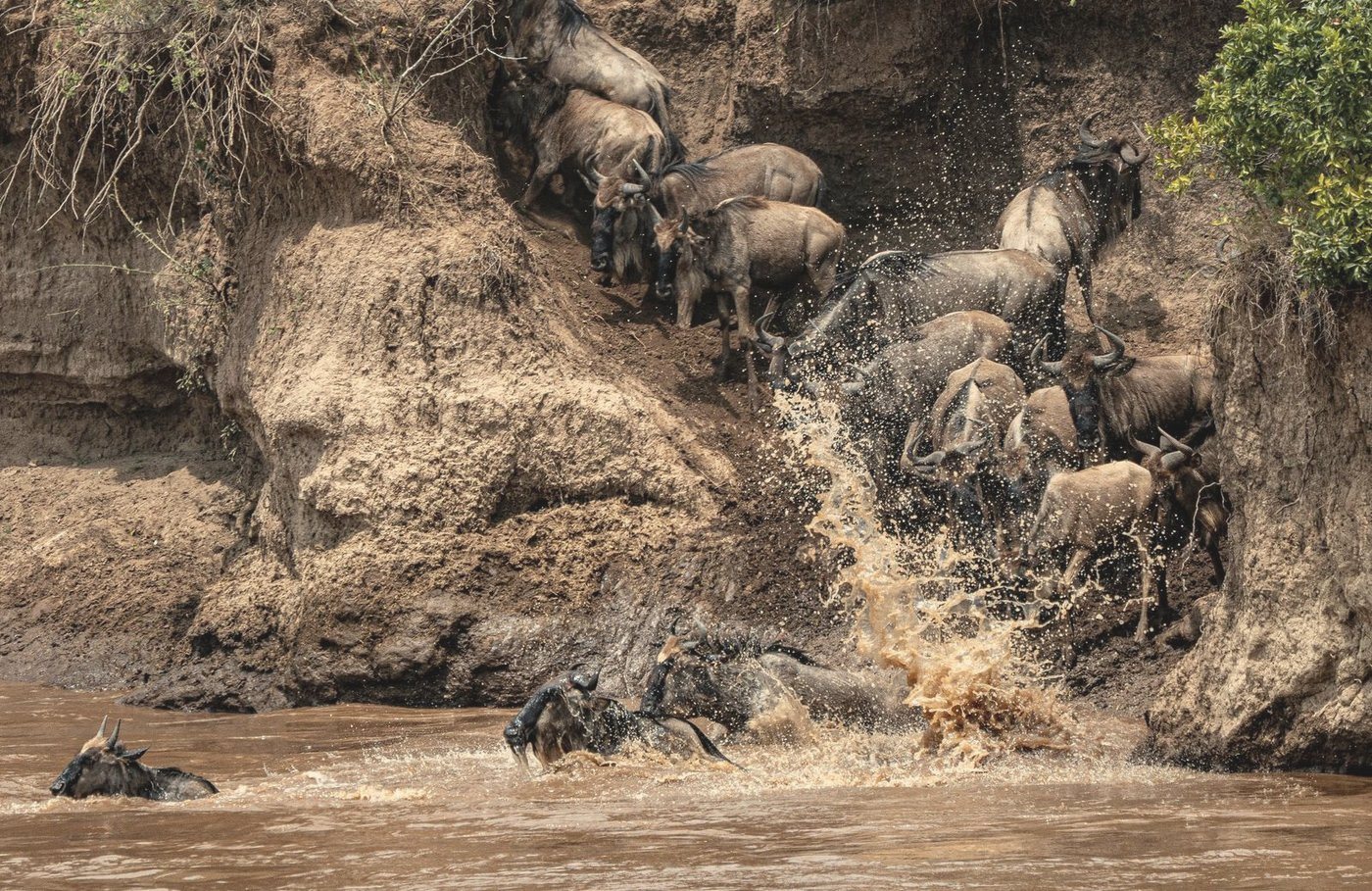
Jul–Aug: the best migration window
In the dry season, wildebeest herds cross the Mara River in search of water and grass. Settled weather and active wildlife make it the best time of year to shoot the crossings.
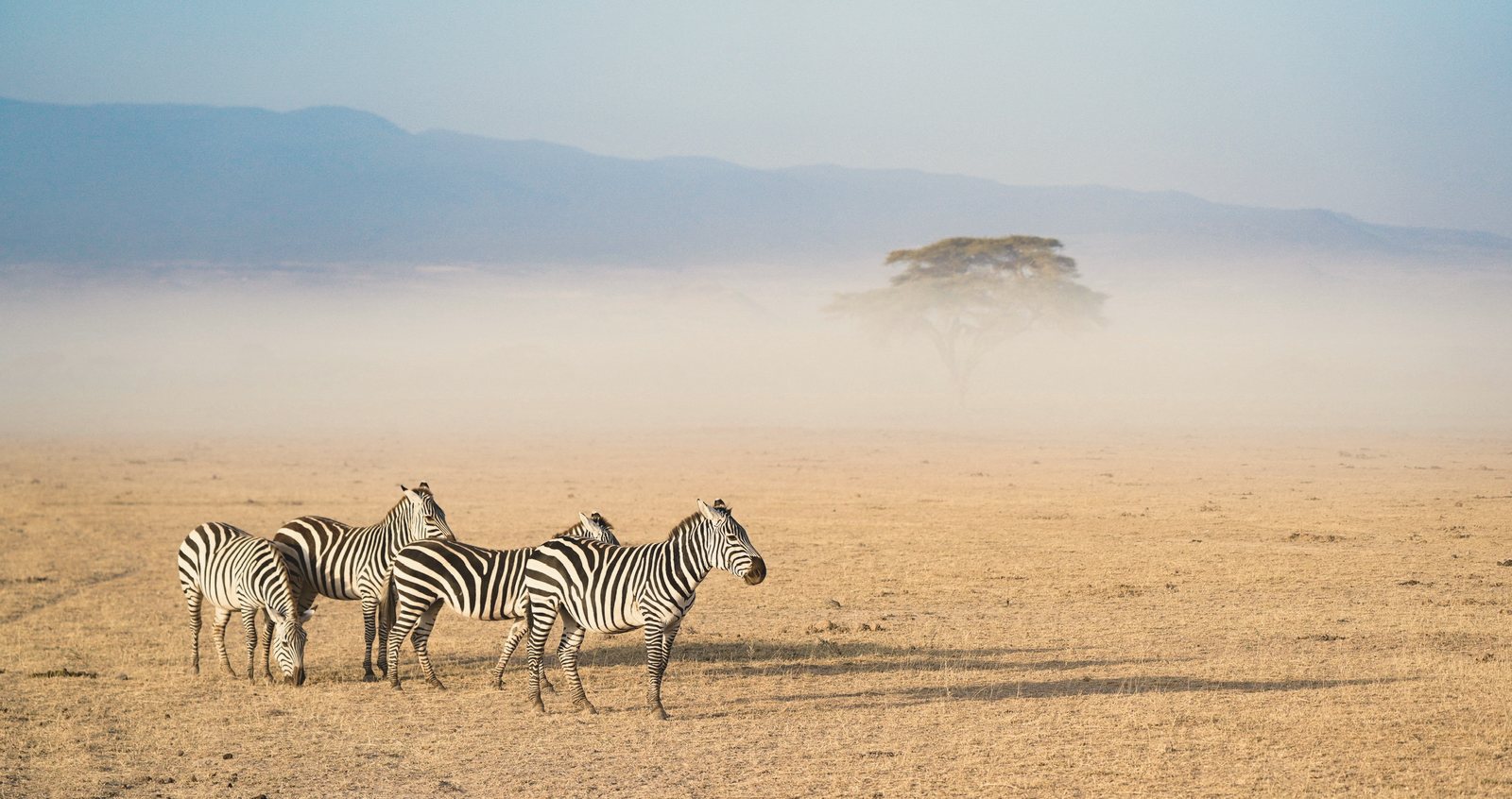
In July, East Africa’s dry season, tens of thousands of wildebeest brave strong currents and crocodiles to cross the Mara River. From elephants beneath Kilimanjaro to the lions of the Maasai Mara, we shoot wild Africa by 4WD, hot-air balloon and bush plane – at the right time, from the right spot.
In the dry season, wildebeest herds cross the Mara River in search of water and grass. Settled weather and active wildlife make it the best time of year to shoot the crossings.
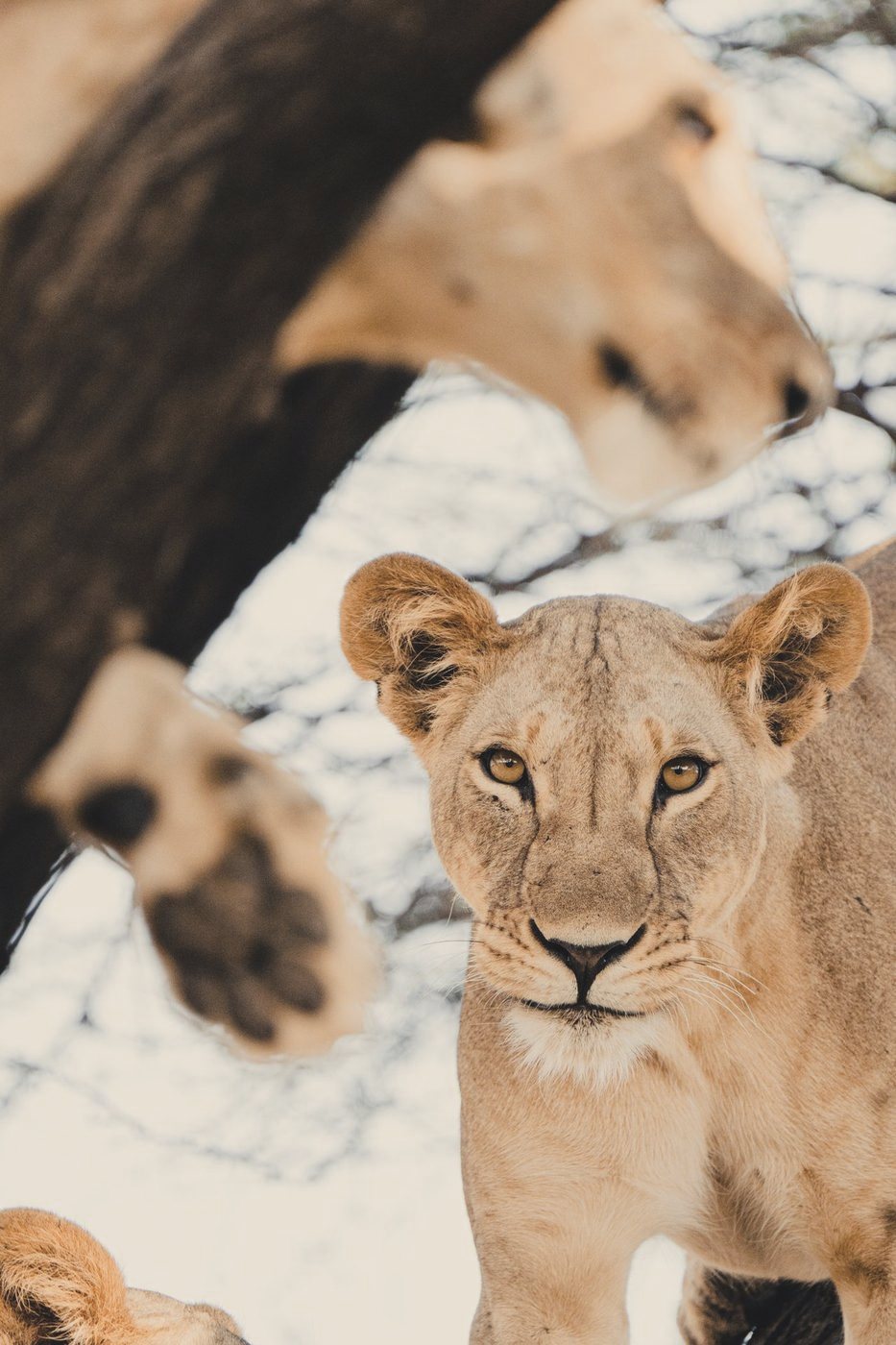
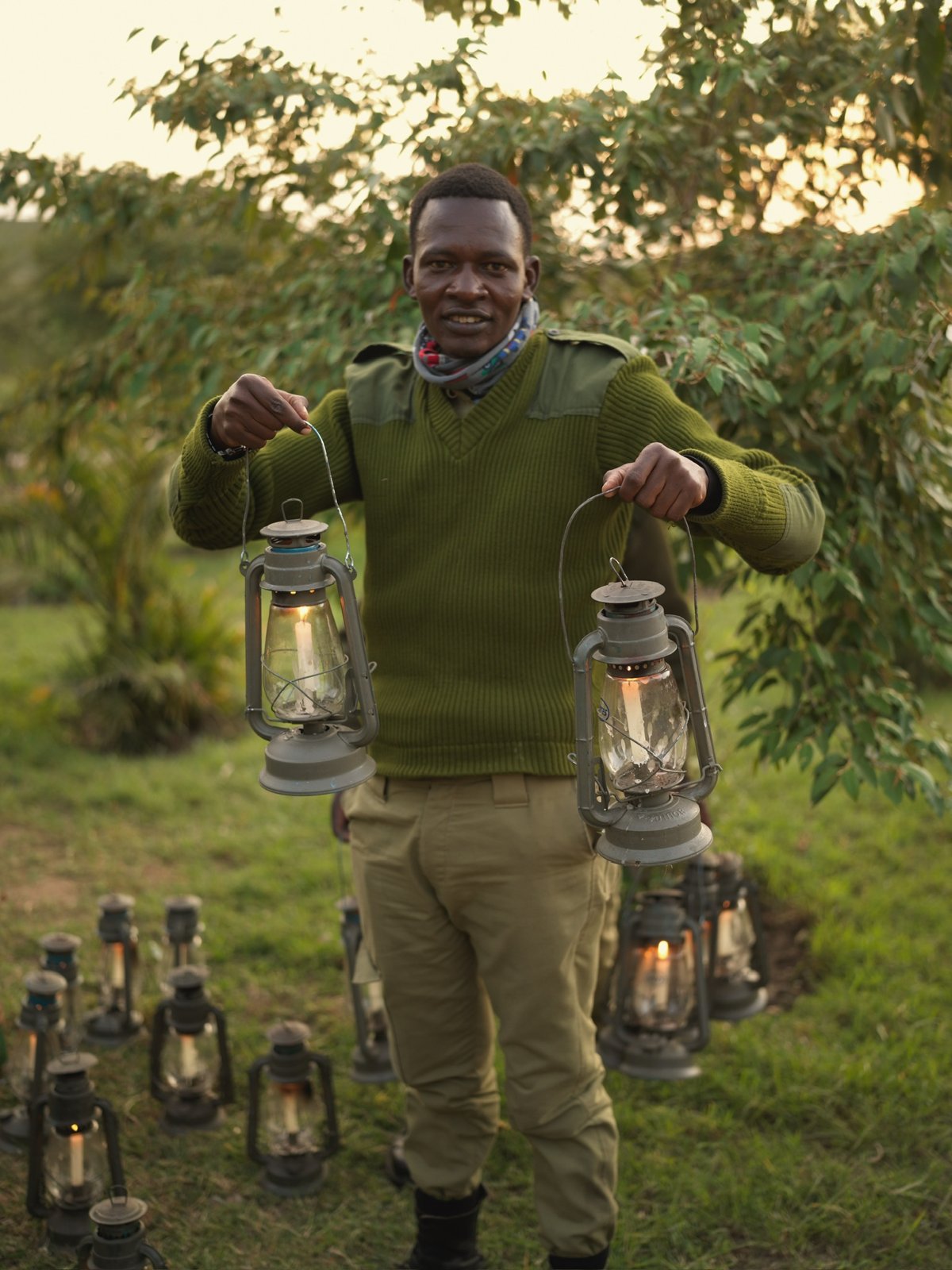
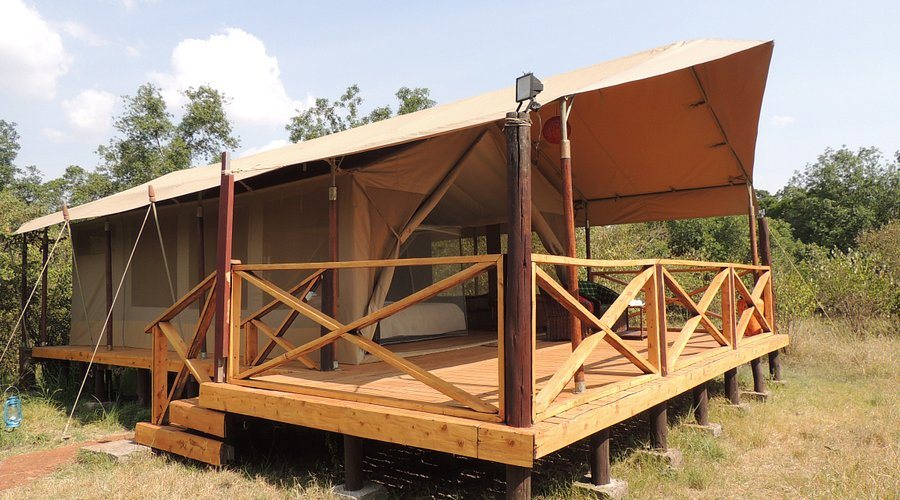
Stay in a luxury tented camp on the Maasai Mara and head out with local guides at sunrise, dusk and even after dark – away from the crowds, catching moments most visitors miss.
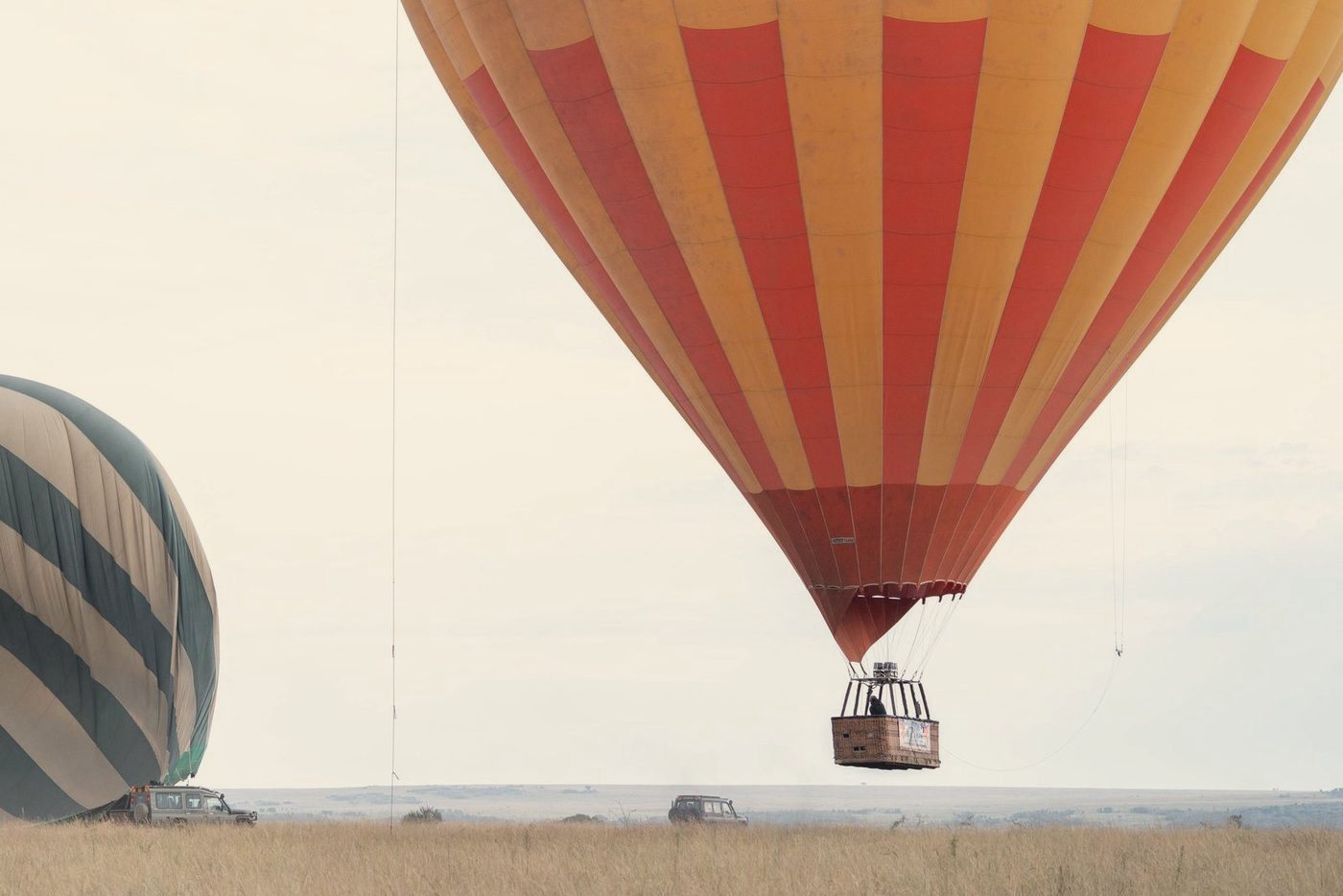
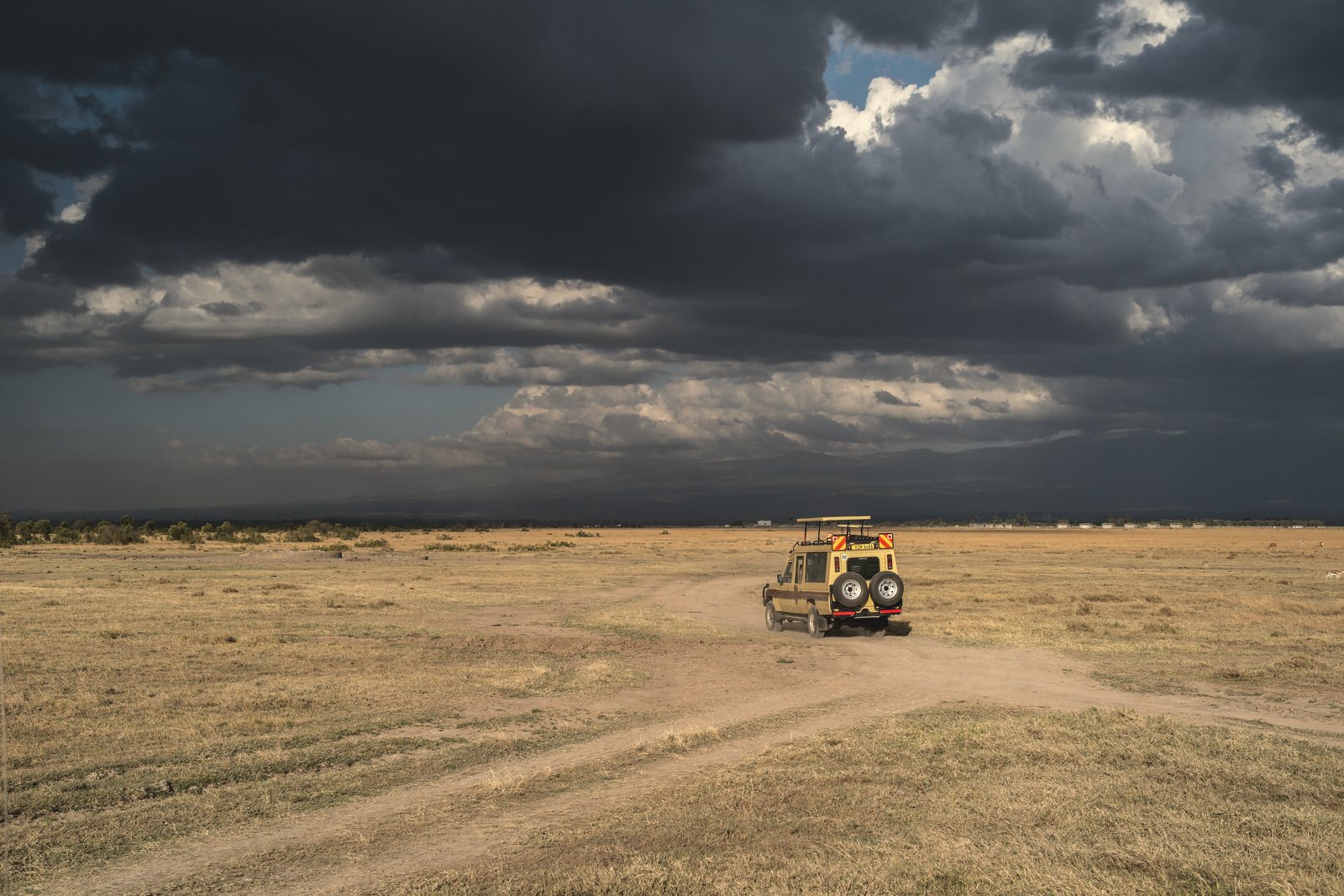
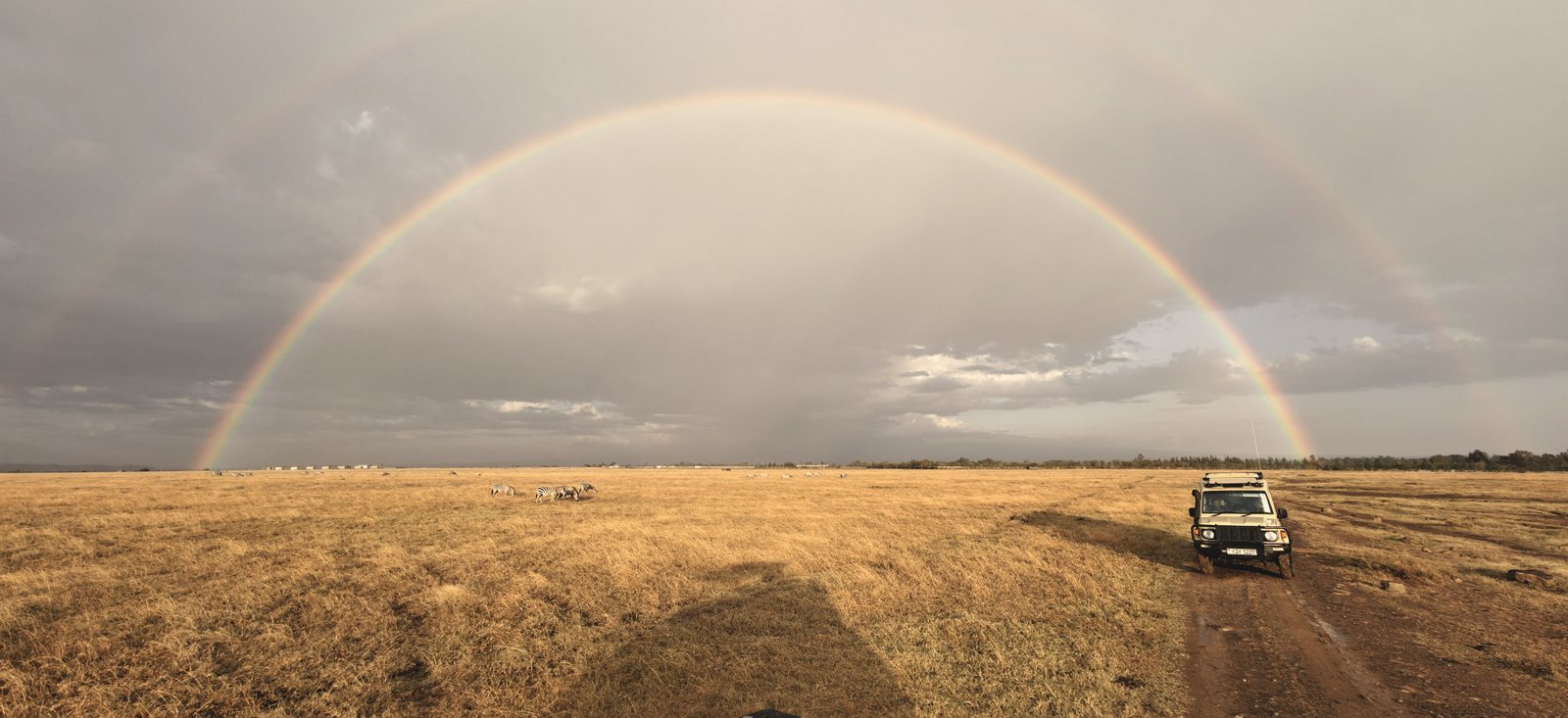
Toyota Land Cruisers throughout, 6 per vehicle, a window seat for everyone. Plus a balloon flight over the plains and an internal flight that skips the bumpy roads and saves time for shooting.
Arrive in Nairobi, Kenya’s capital, and rest after the flight. In the afternoon, meet giraffes up close at the Giraffe Centre; in the evening, an African game-meat feast.
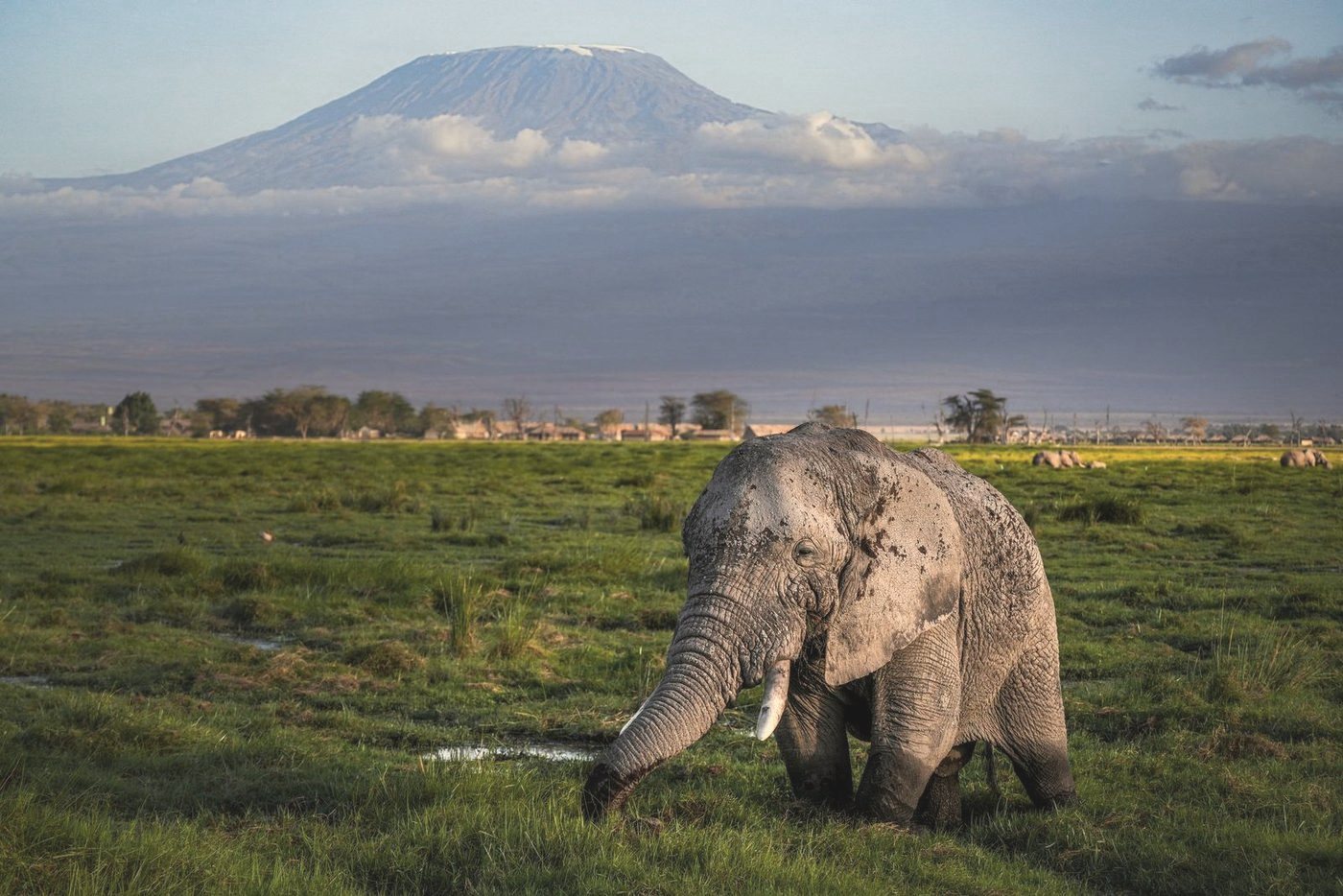
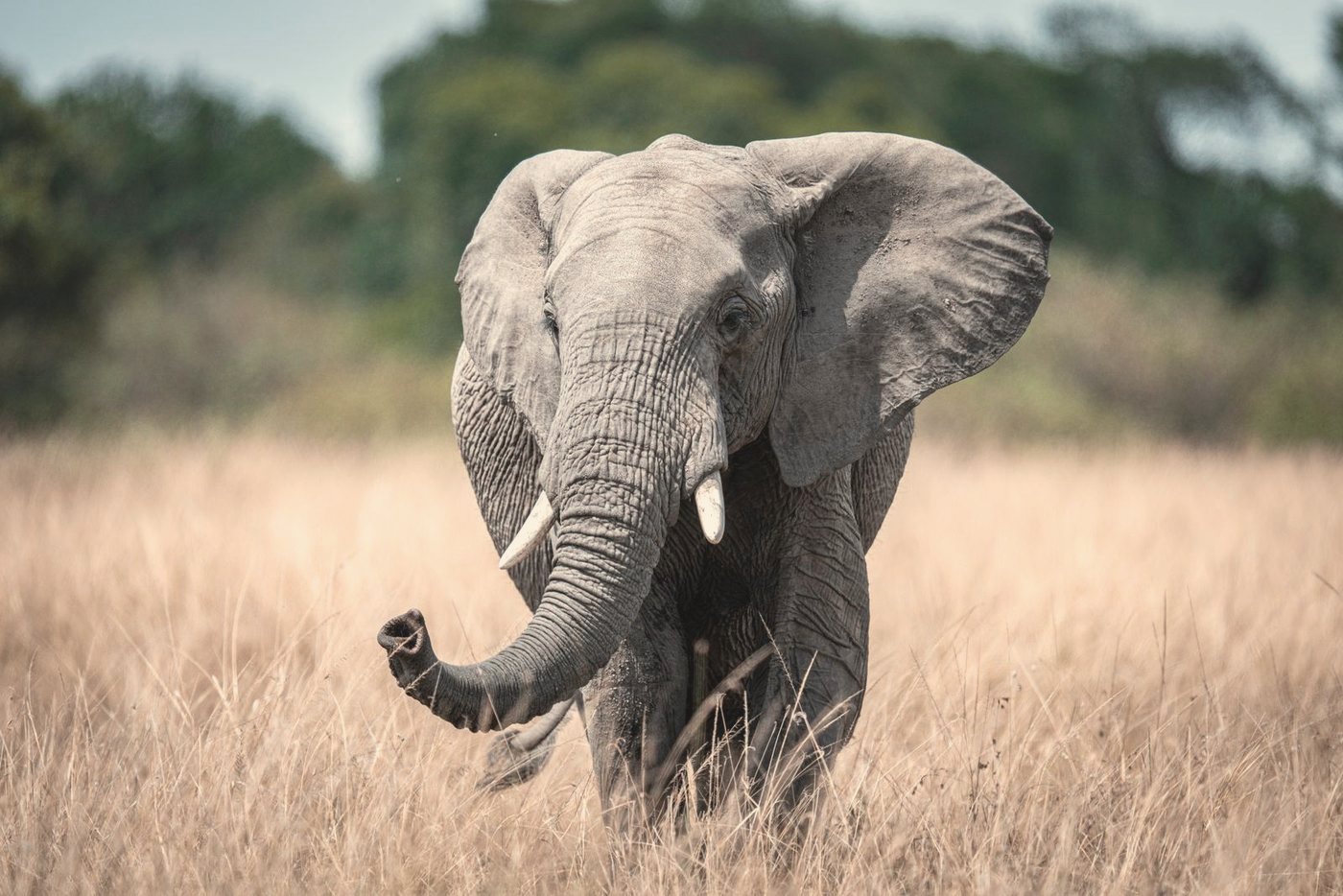
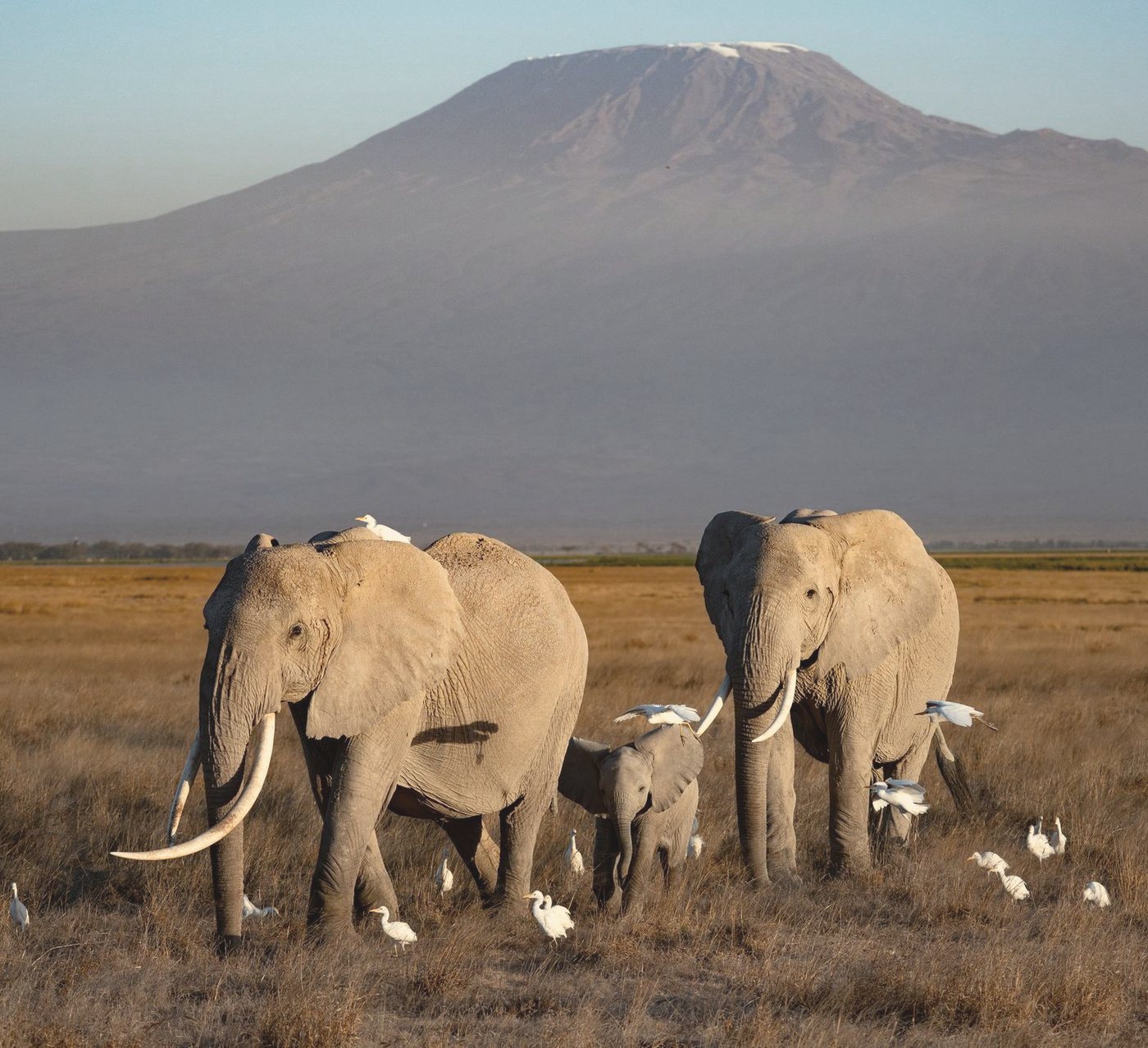
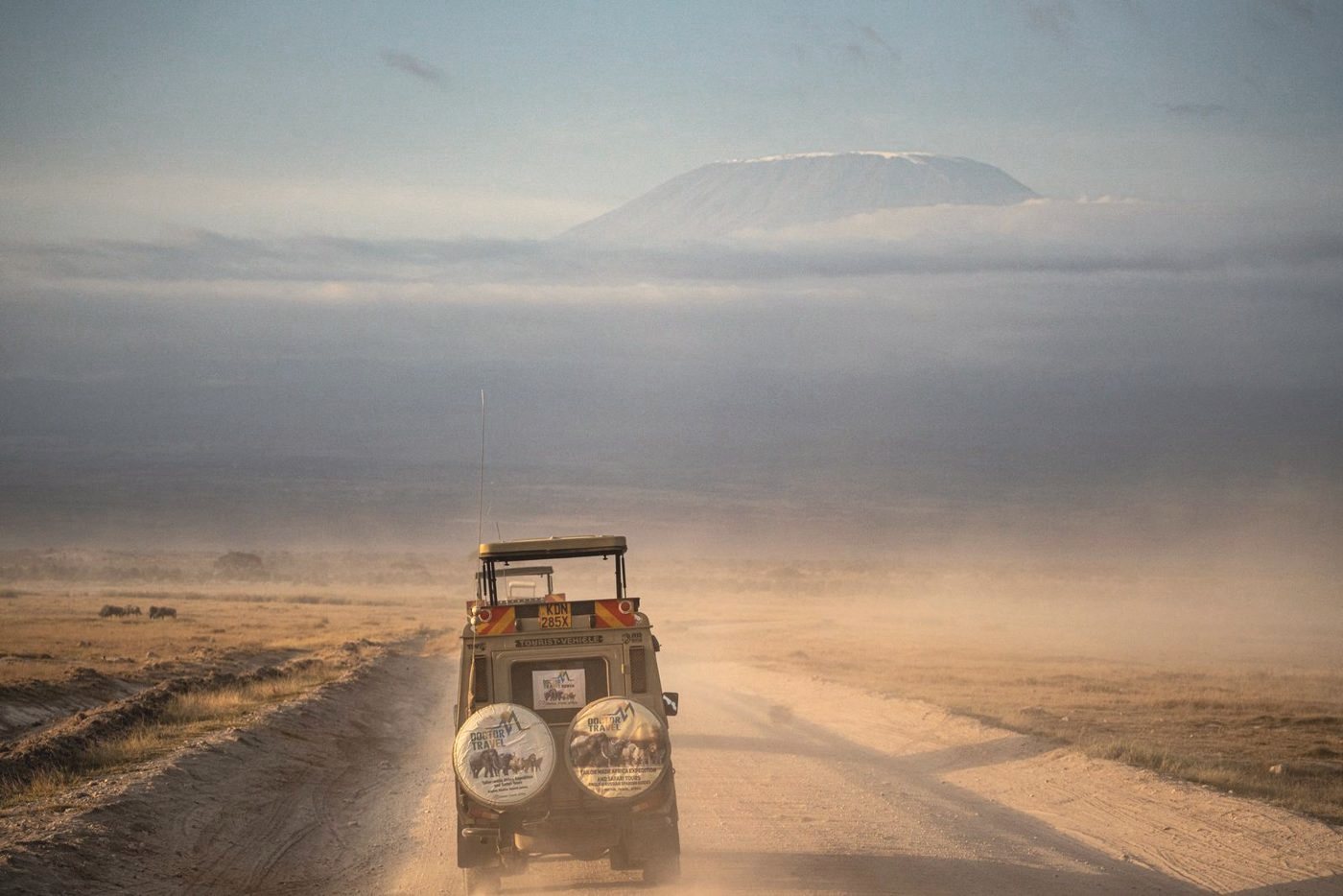
Amboseli National Park is the best place to photograph wild African elephants. On clear days, the snowy summit of Kilimanjaro, Africa’s highest peak, rises right behind the herds – equatorial snow and elephants in one frame, East Africa’s classic shot.
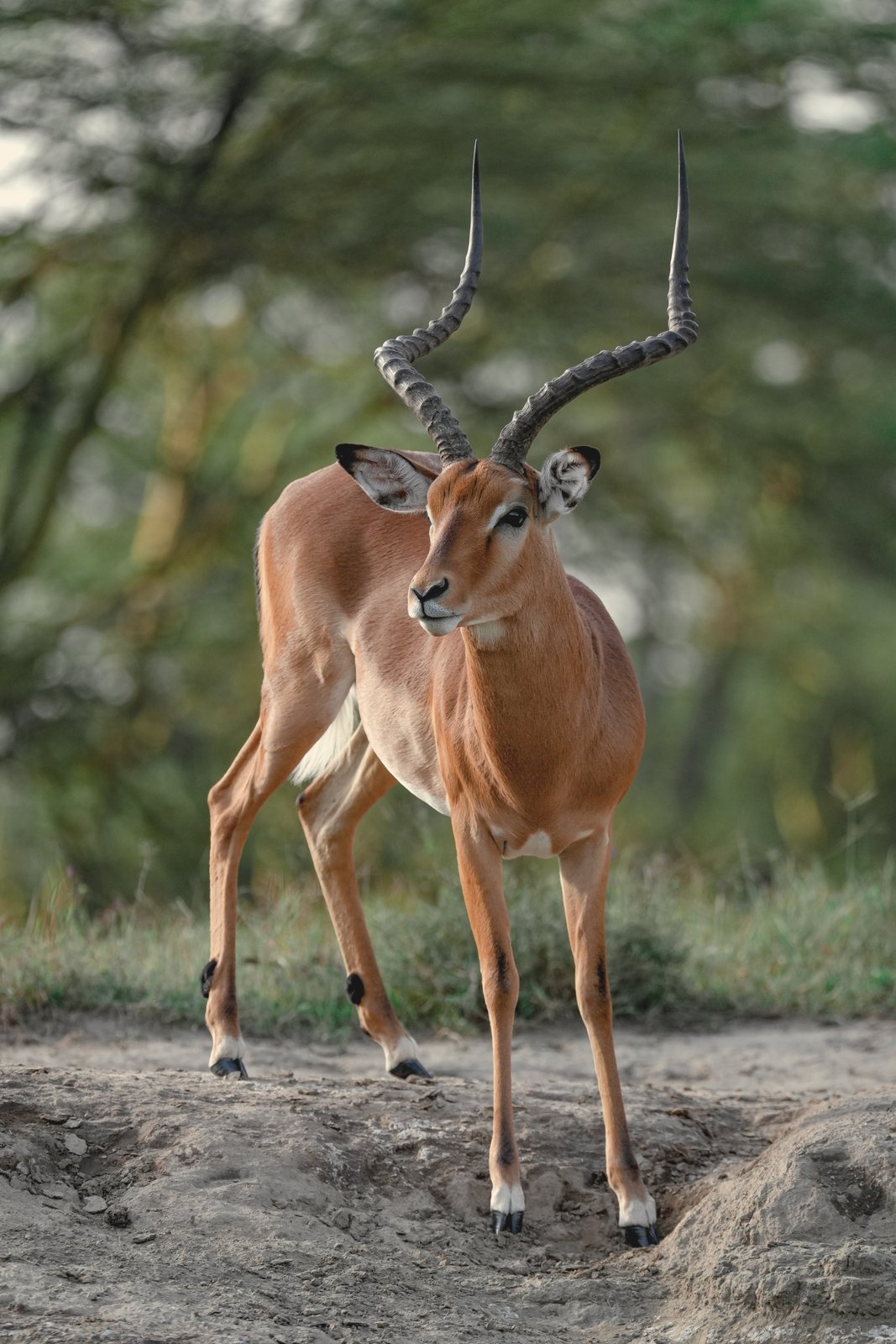
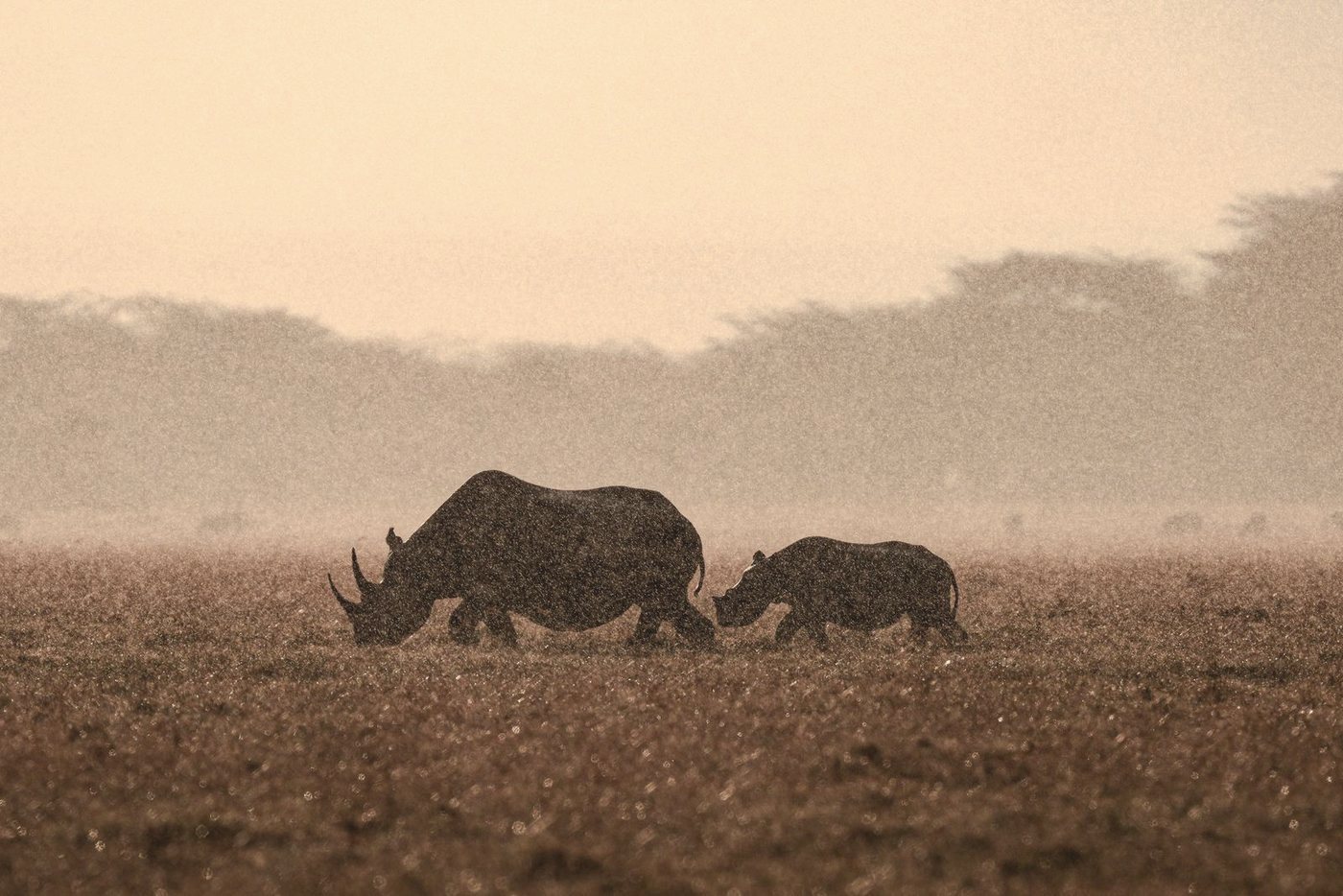
Mount Kenya is Africa’s second-highest peak. Over a century ago, colonists built an exclusive safari club here near the equator. Today it has a wild rhino sanctuary and an animal orphanage for close-up wildlife encounters and photos.
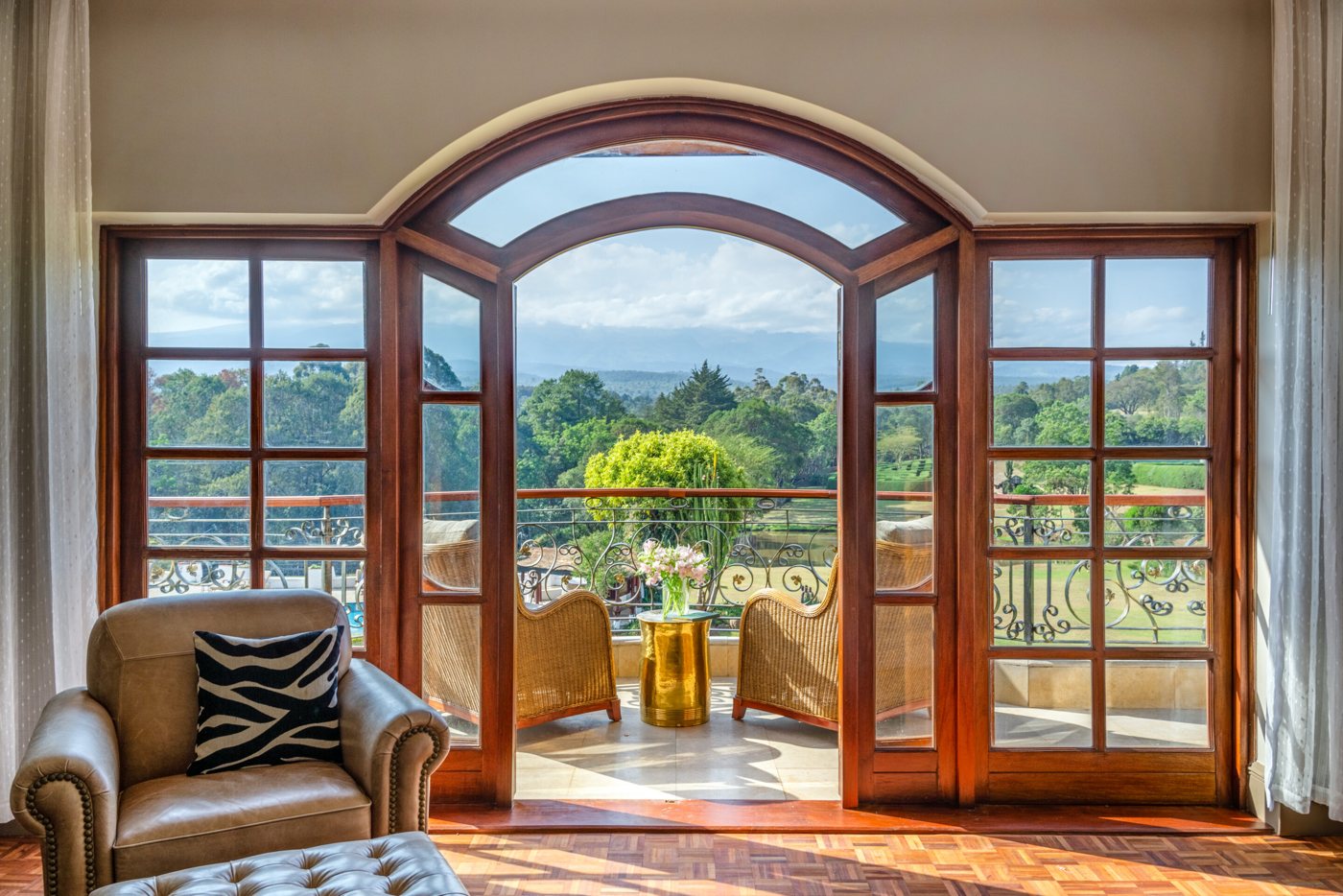
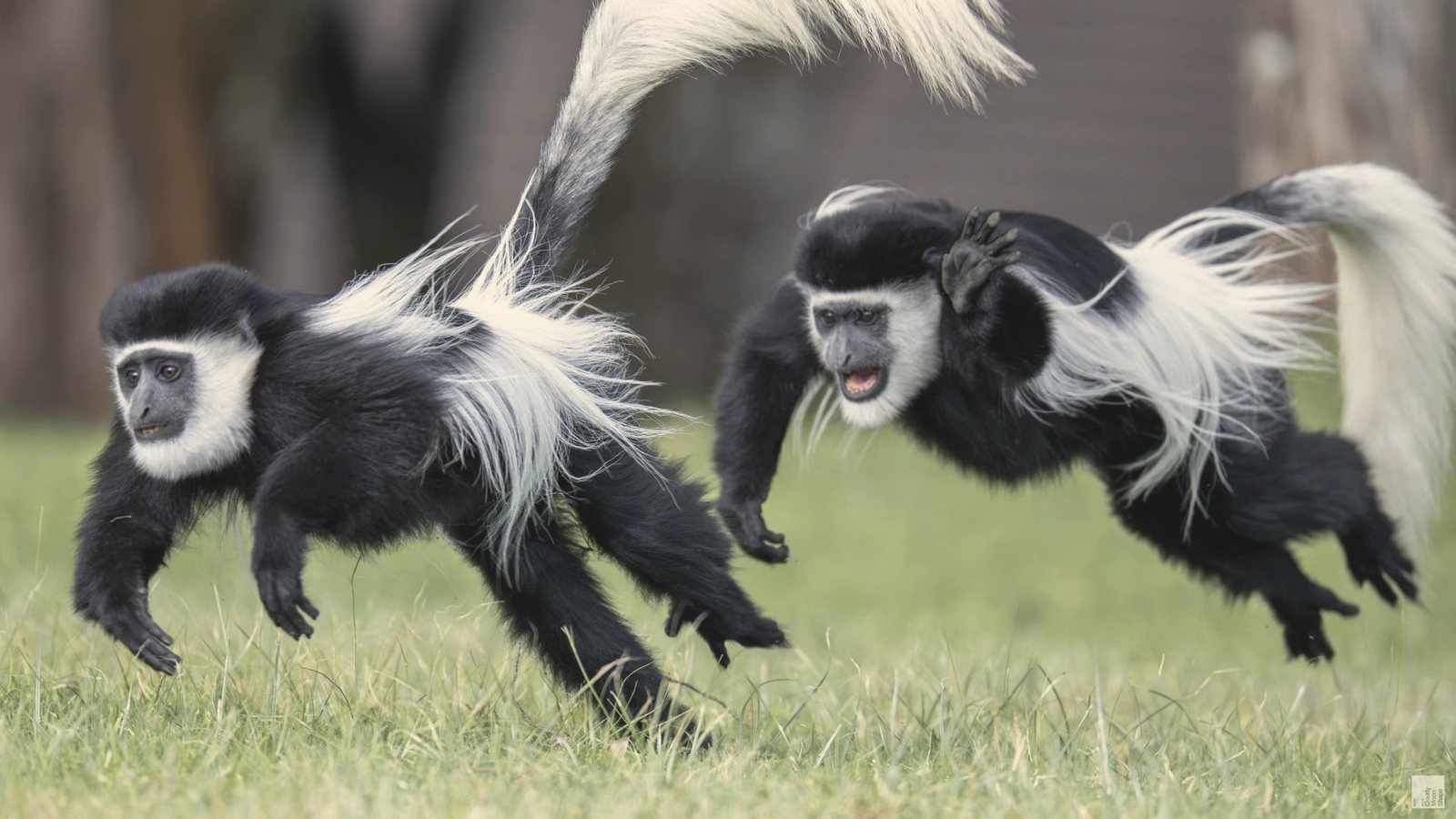
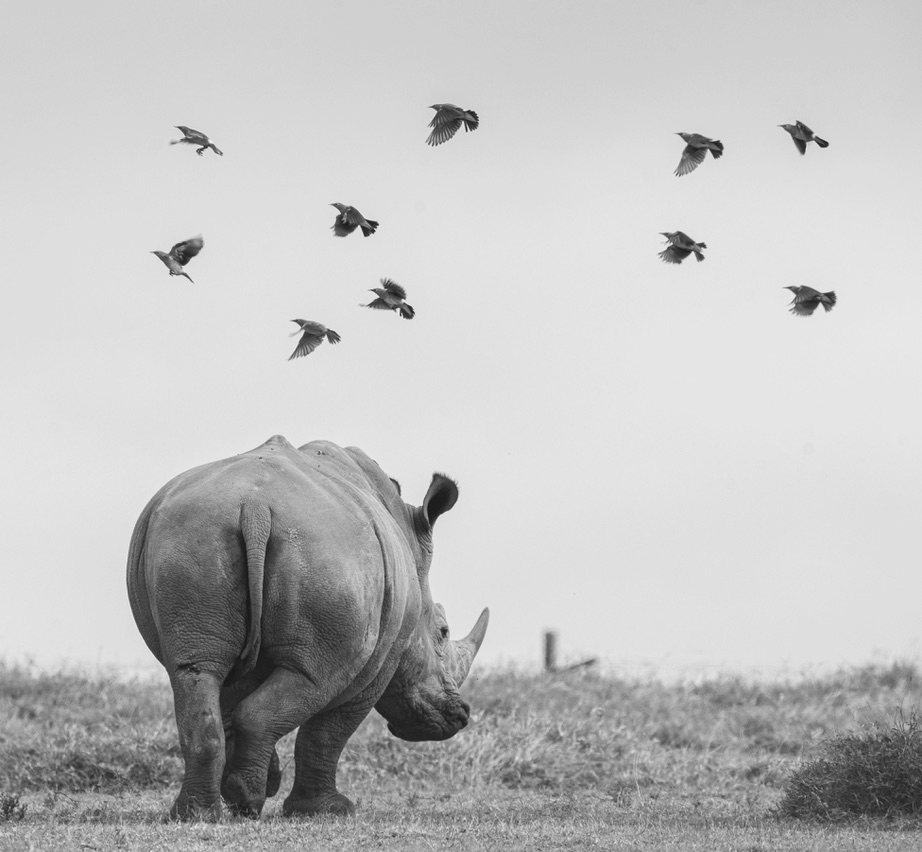
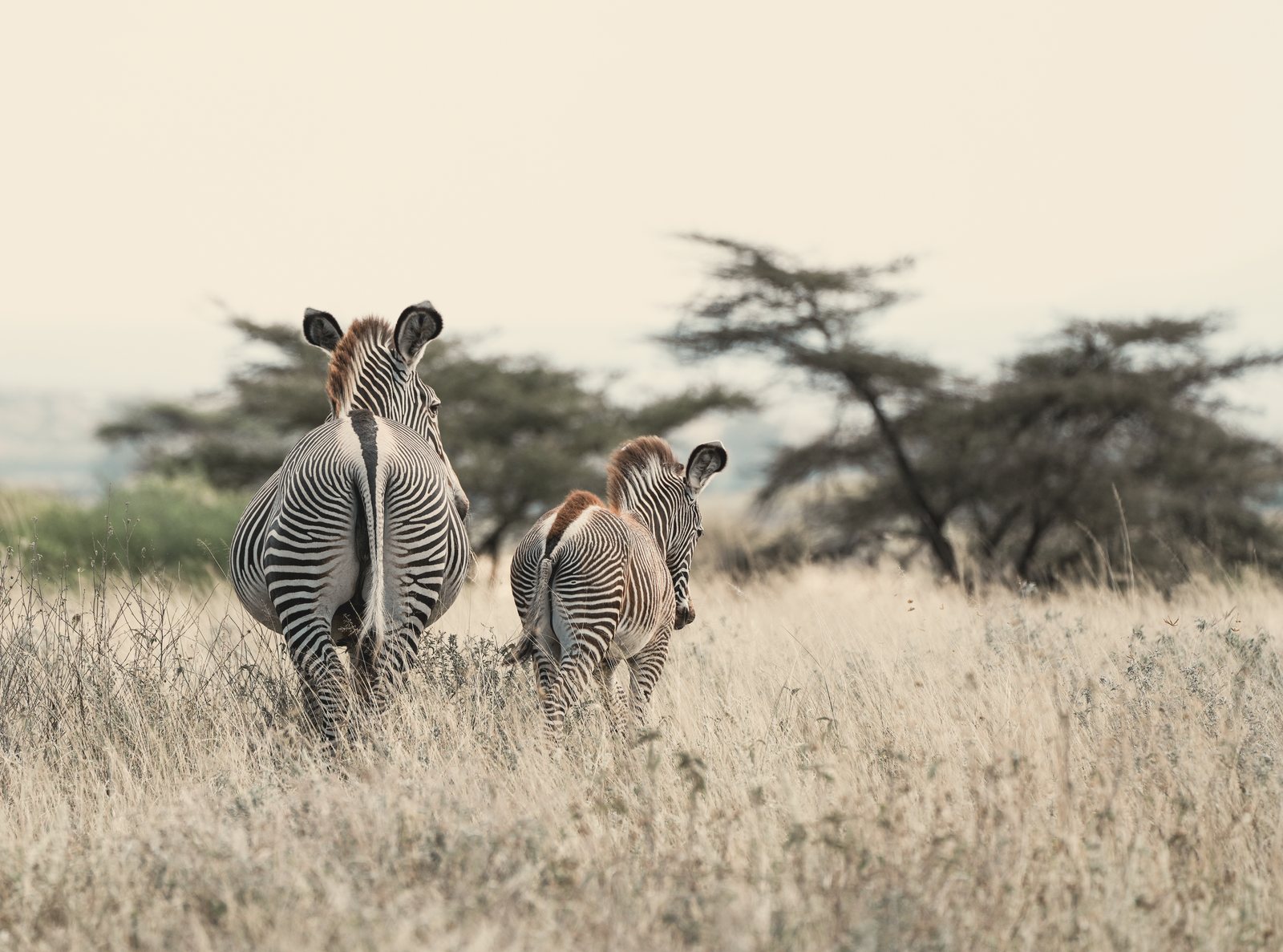
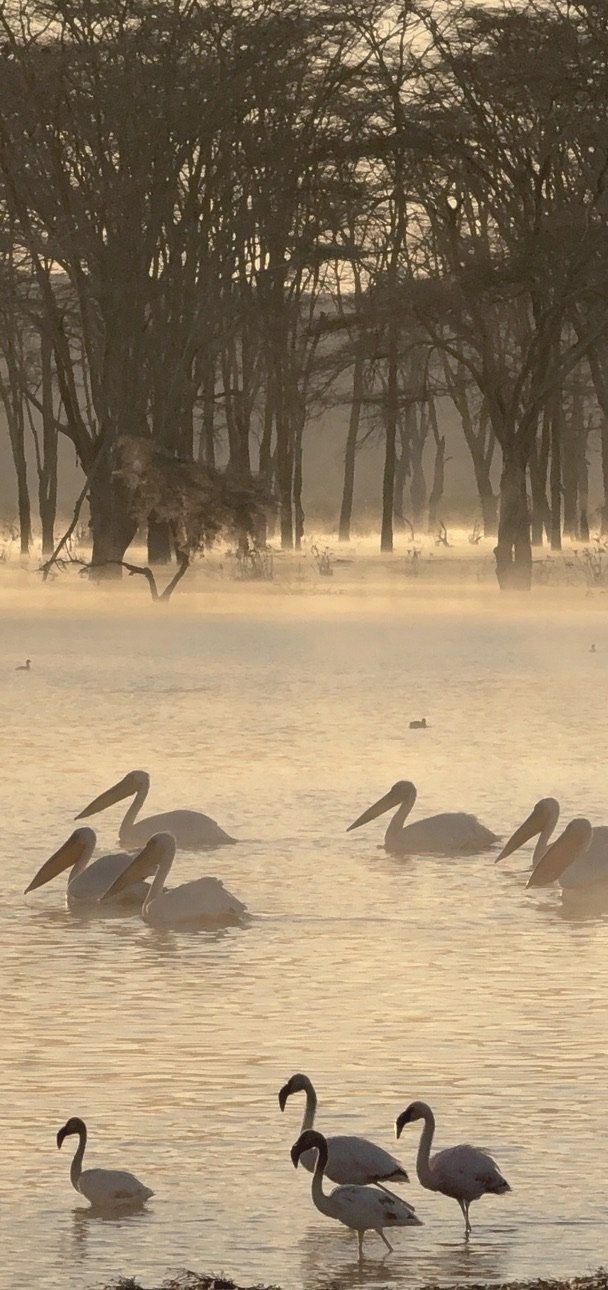
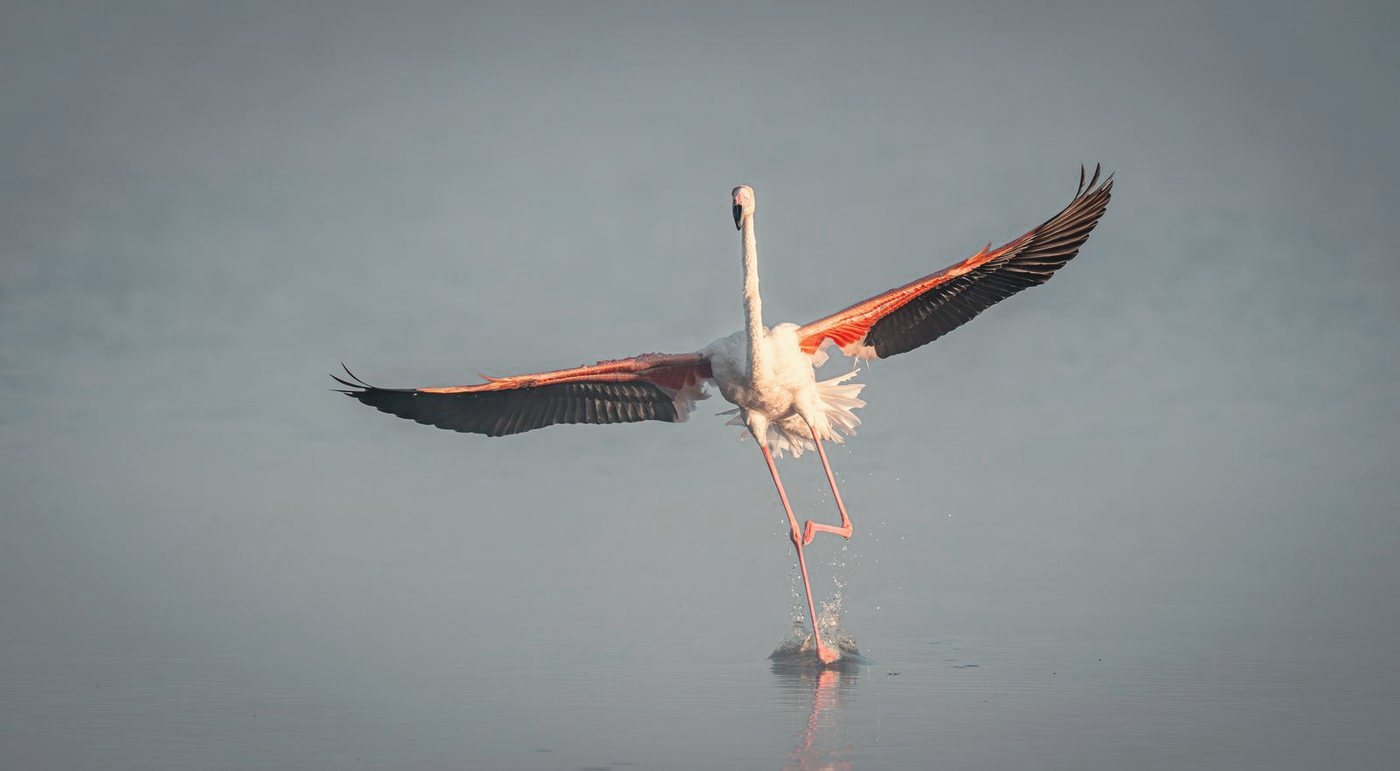
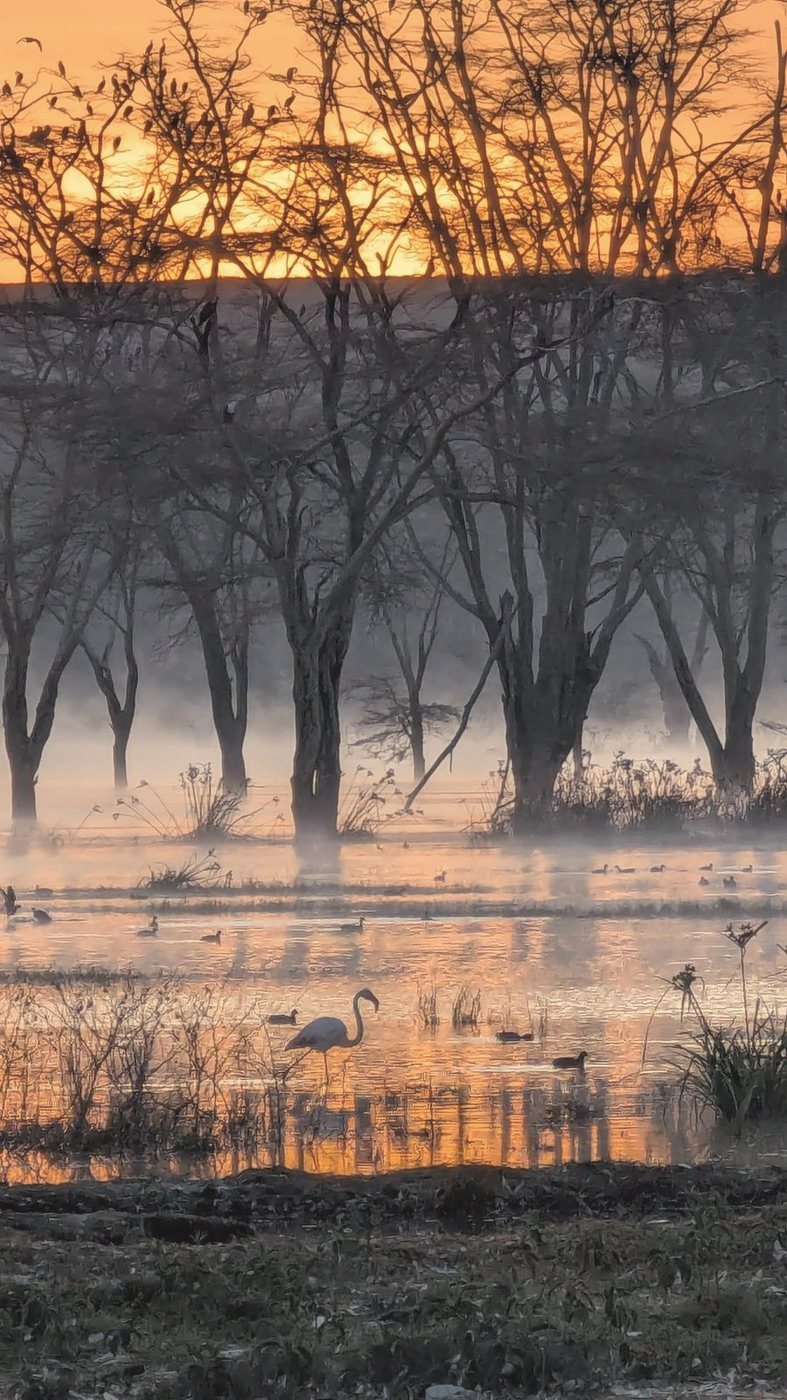
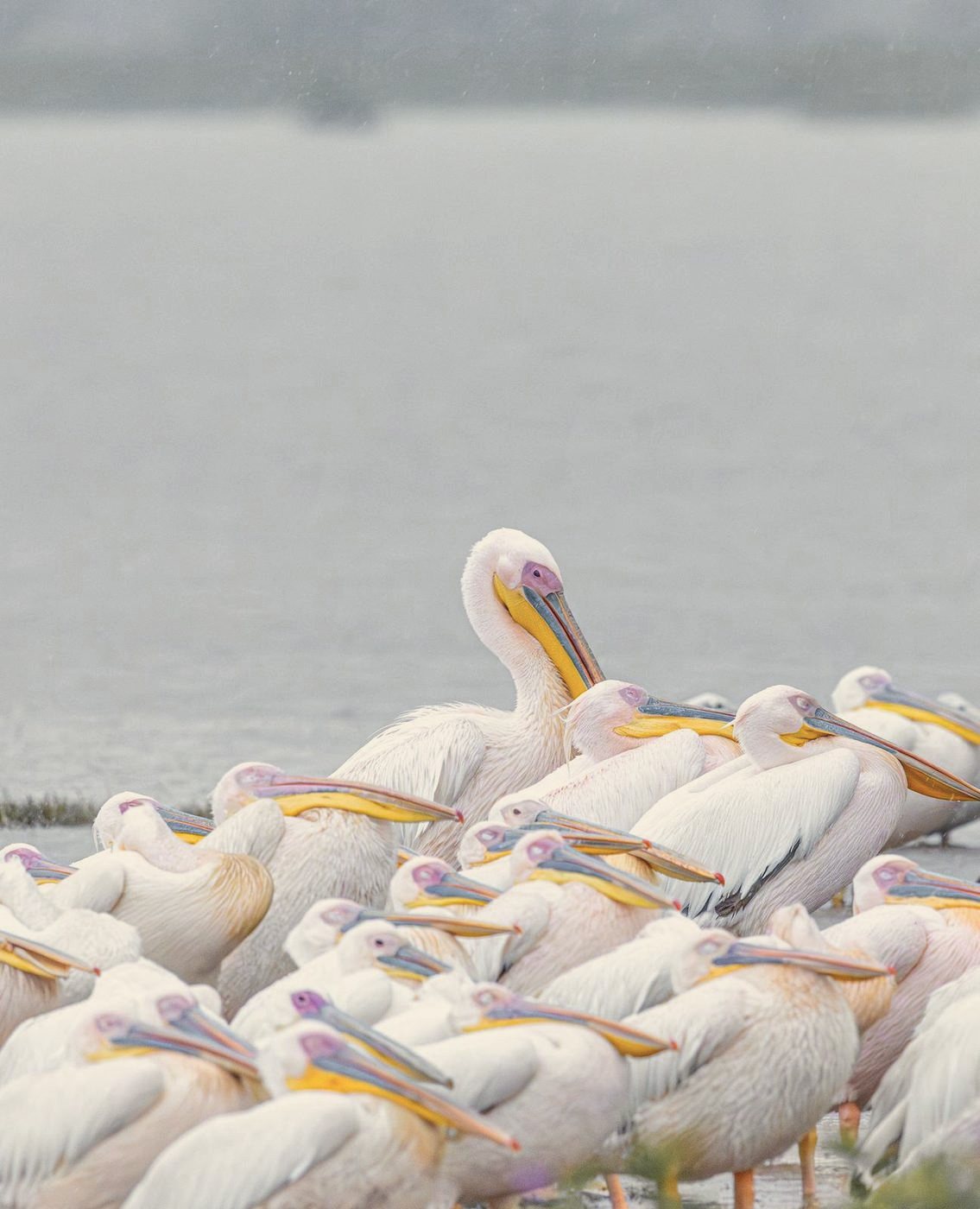
Lake Nakuru National Park was created to protect birdlife and is known as Africa’s birdwatching paradise. Conditions have improved in recent years and big flocks of flamingos are back; misty mornings and backlight by the lake are ideal for shooting.
Enter the Maasai Mara and stay in a luxury tented camp on the plains. Local guides take us to scenes straight out of The Lion King: waiting by the Mara River for the wildebeest to cross, tracking lions and cheetahs, golden light at dusk. Once you’ve been, you’ll see how faithfully Disney captured the African savannah.
Don’t missHot-air balloon + bush breakfast included in the tour price: rise over the Maasai Mara at dawn, then land for breakfast on the plains.
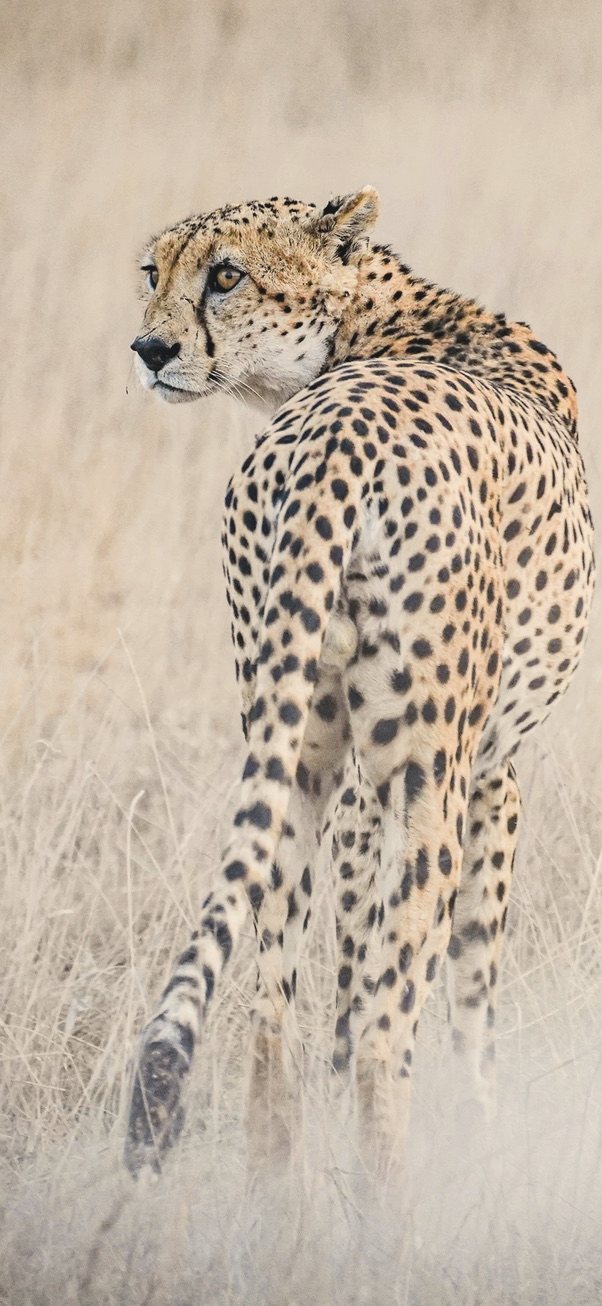
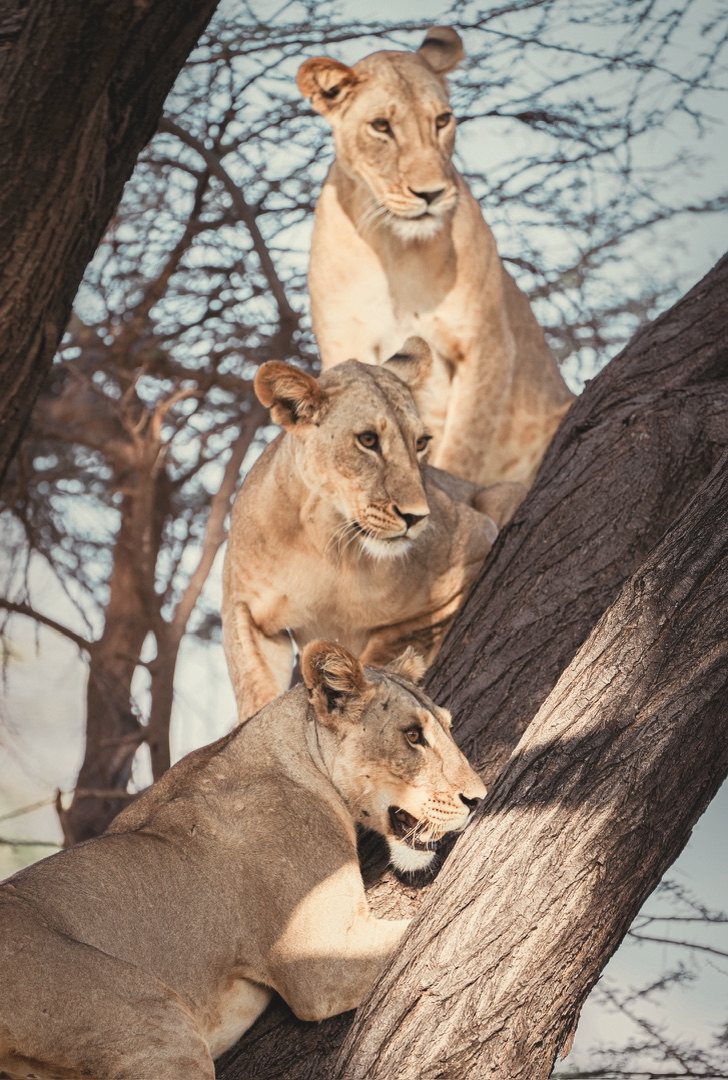
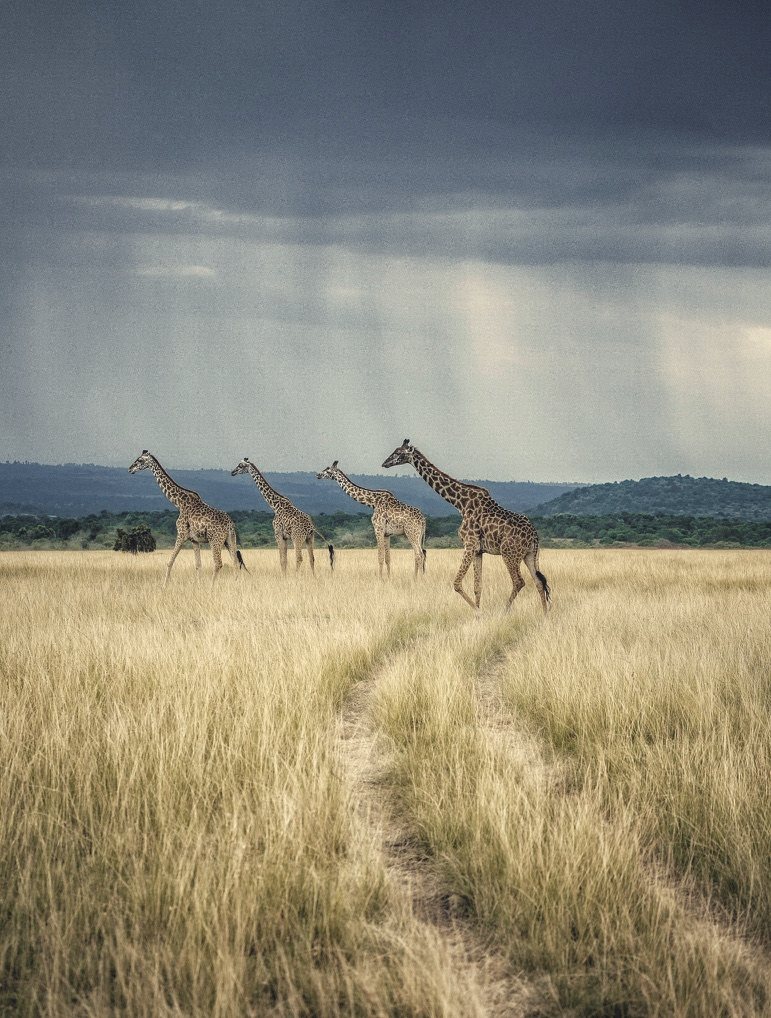
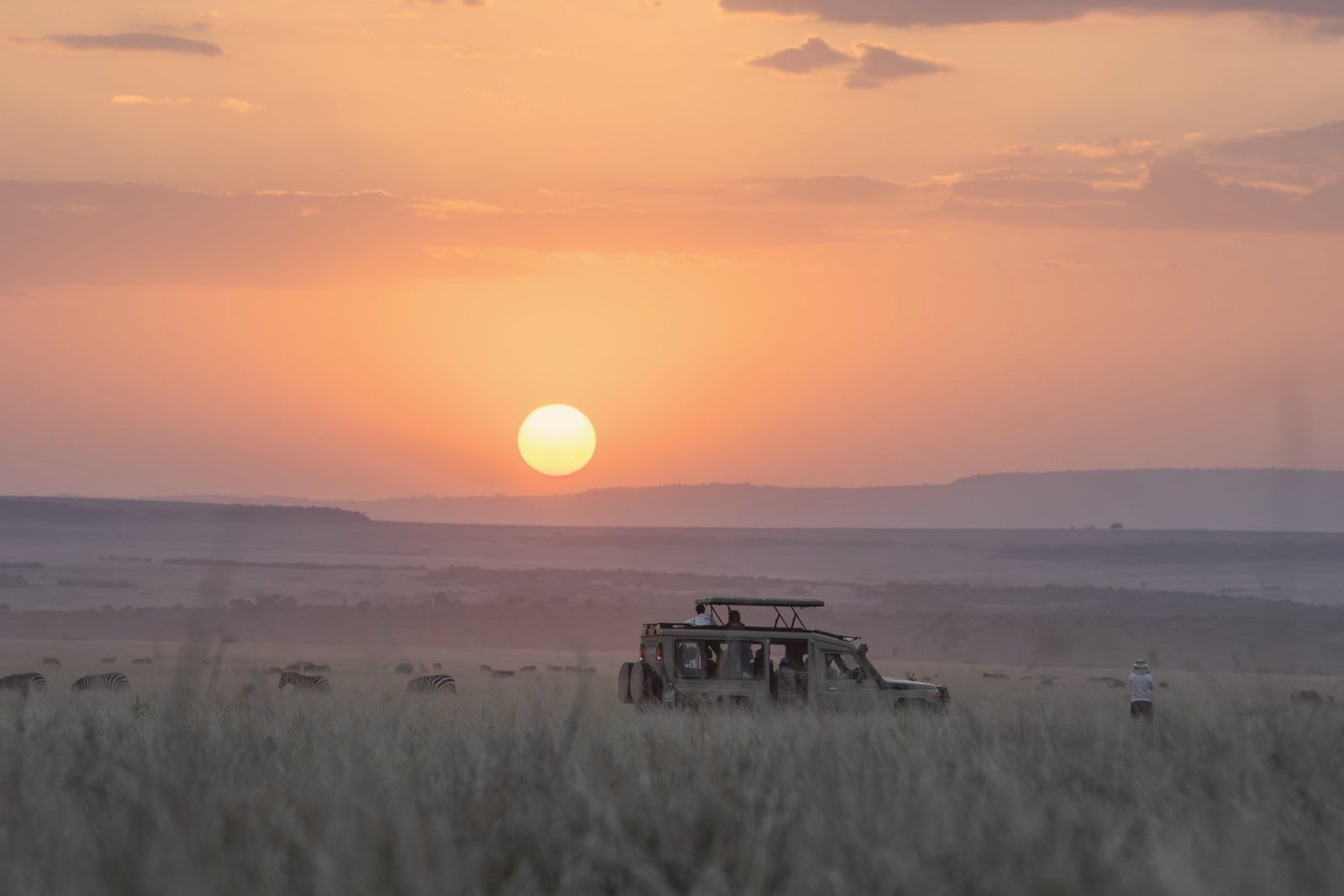
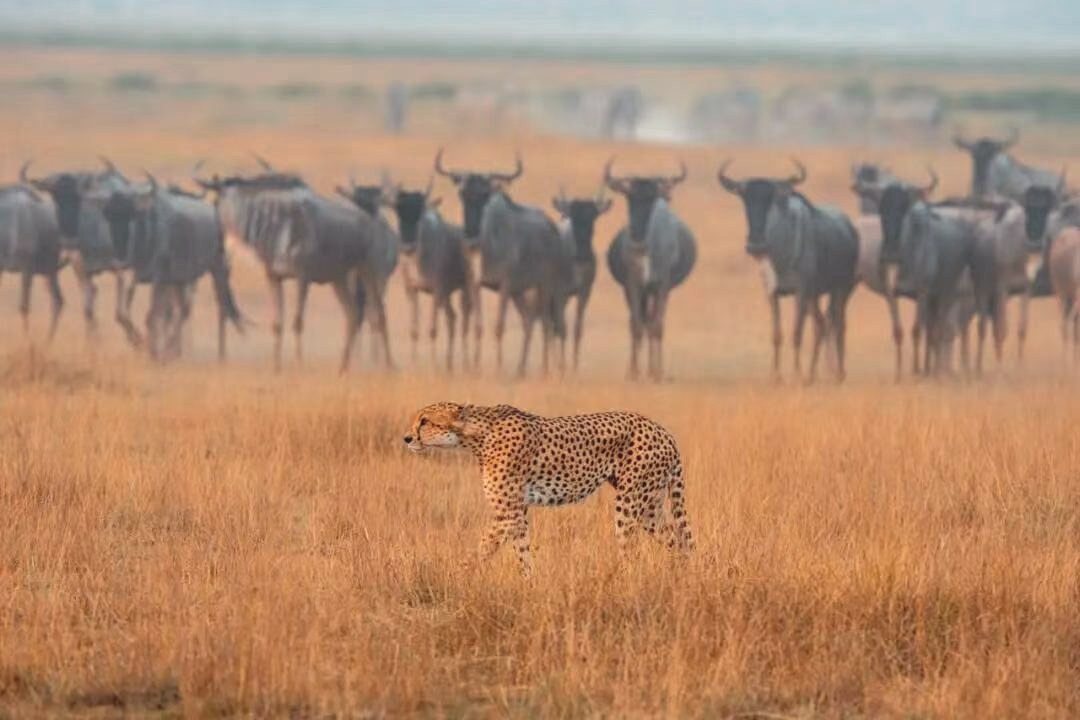
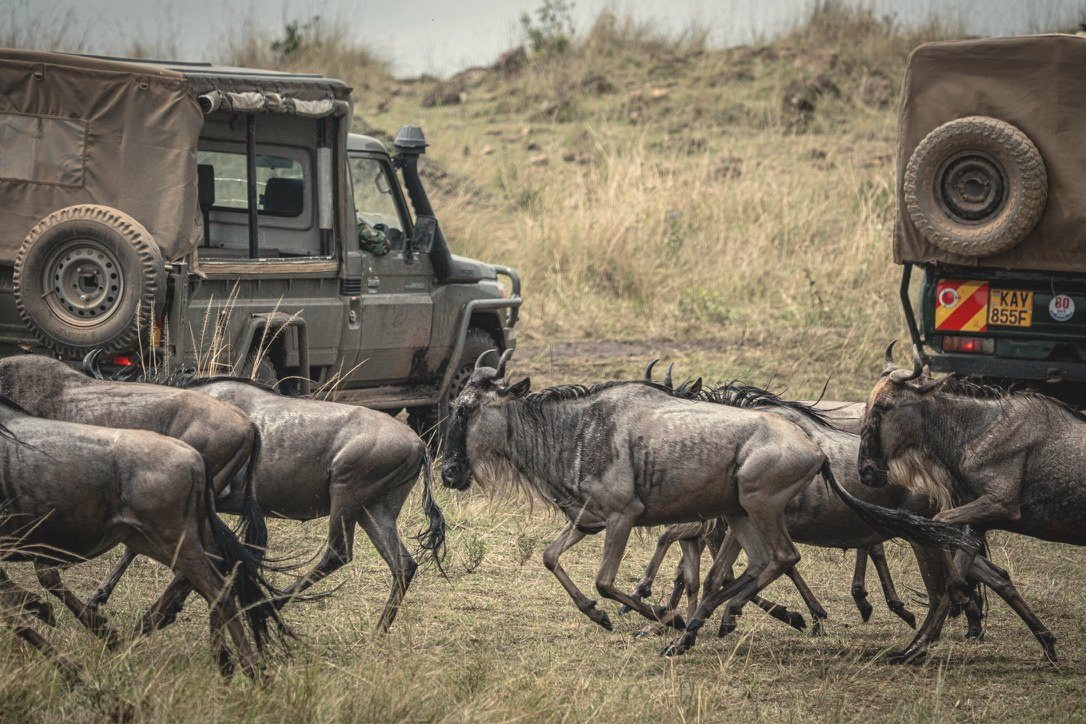
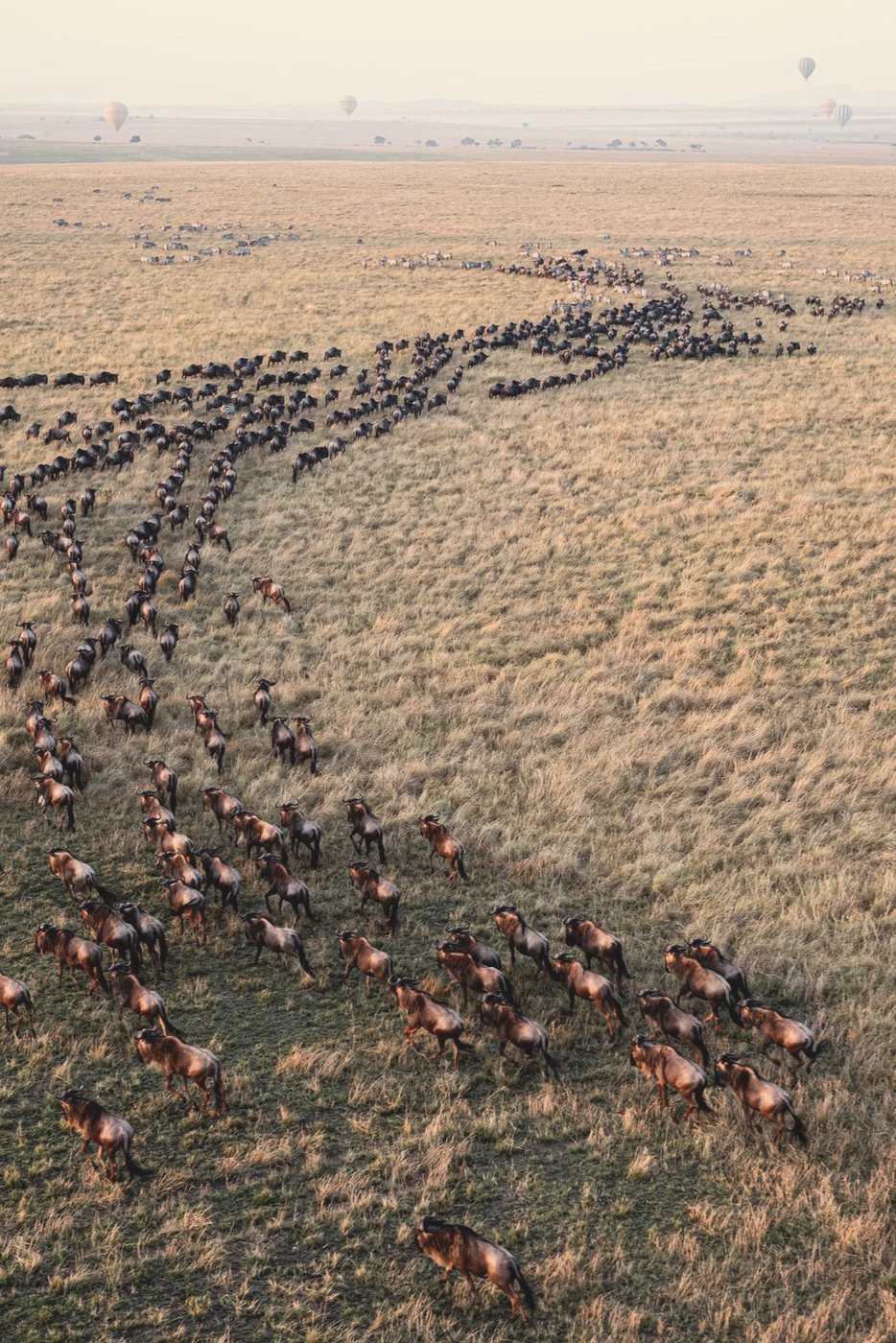
July is the peak of East Africa’s Great Migration, with over a million wildebeest pouring into the Maasai Mara from Tanzania. By the Mara River, watch herds leap from steep banks and fight the current while hippos bask in the shallows. Our vehicles park right beside the herds for close-ups of the most dramatic moments.
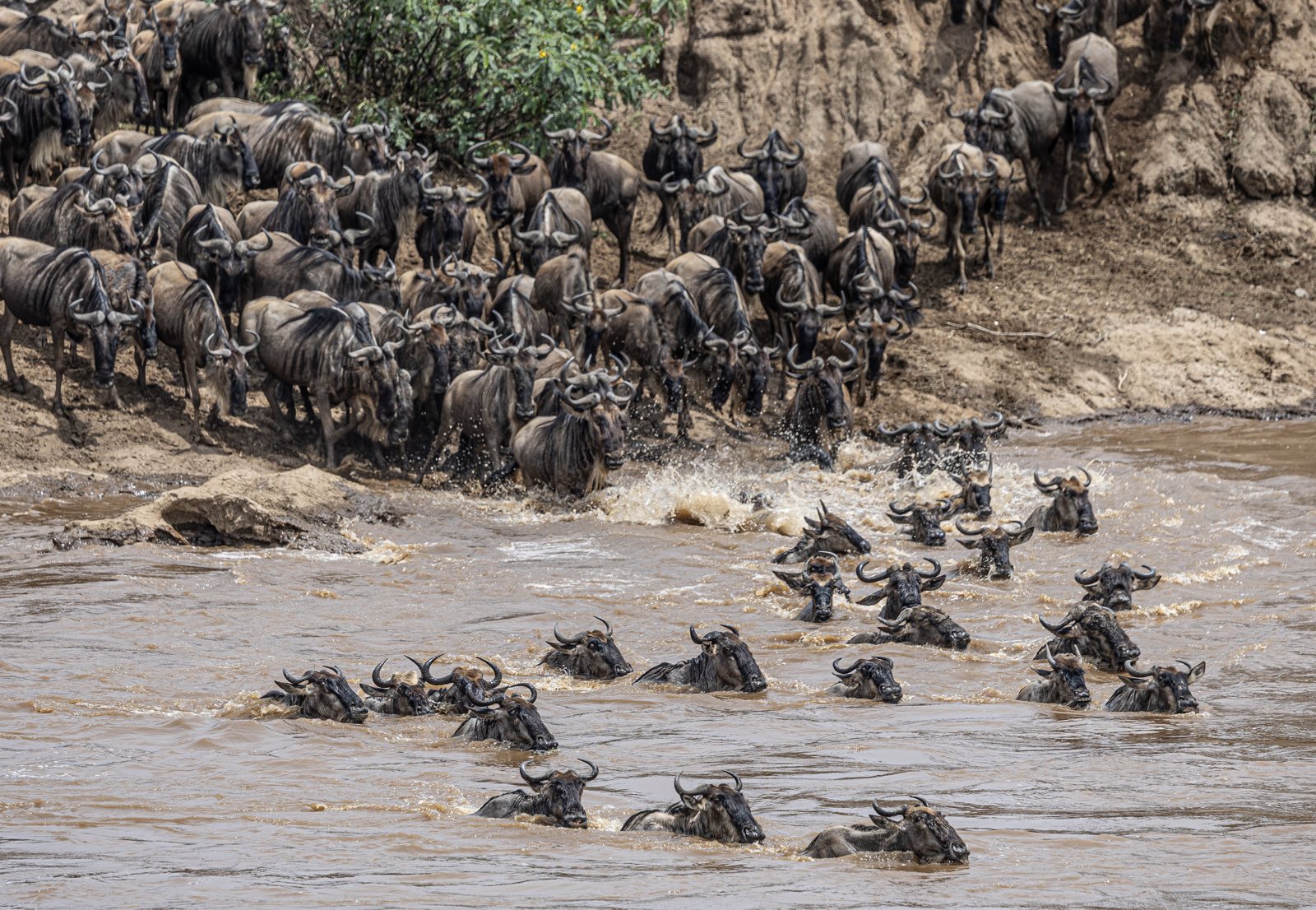
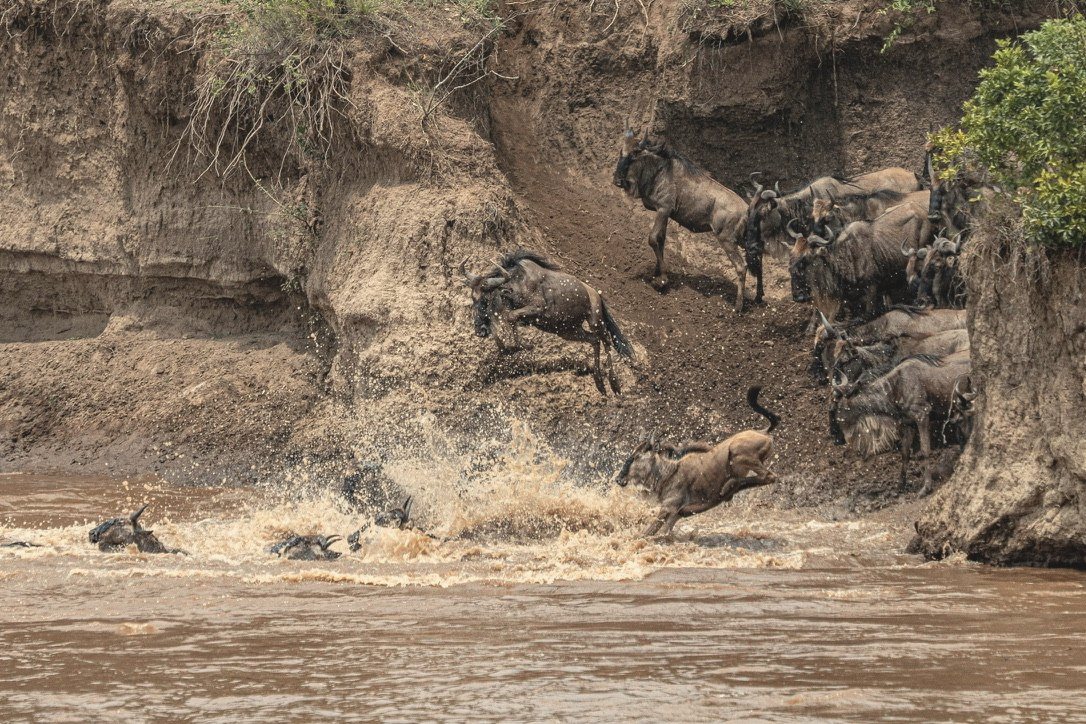
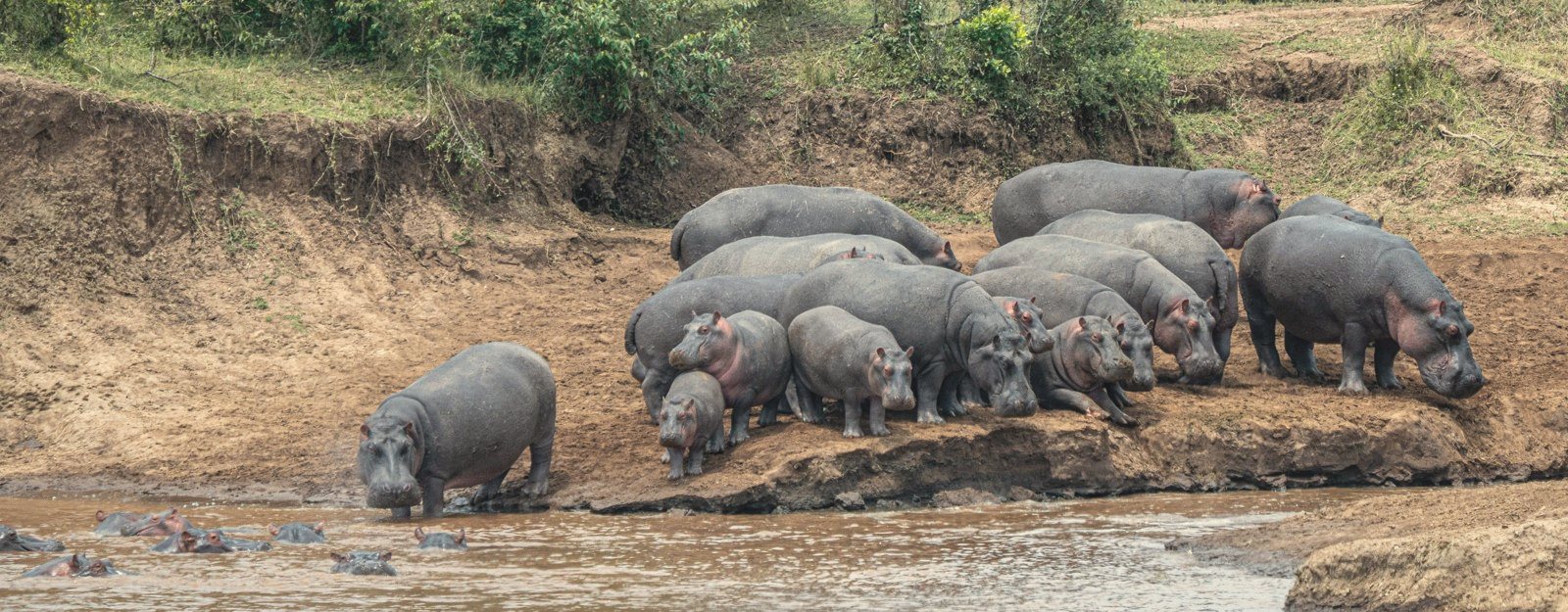
Fly from the Maasai Mara back to Nairobi over the Great Rift Valley, the “scar of the Earth”. Browse a local market for souvenirs, then head to the airport and home.
Five-star hotels and luxury tented camps in the Maasai Mara
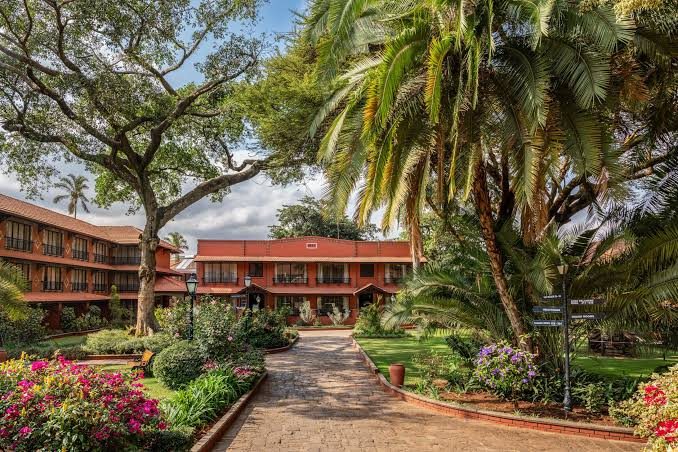
Red-roofed buildings around a tropical garden – a restful first night.
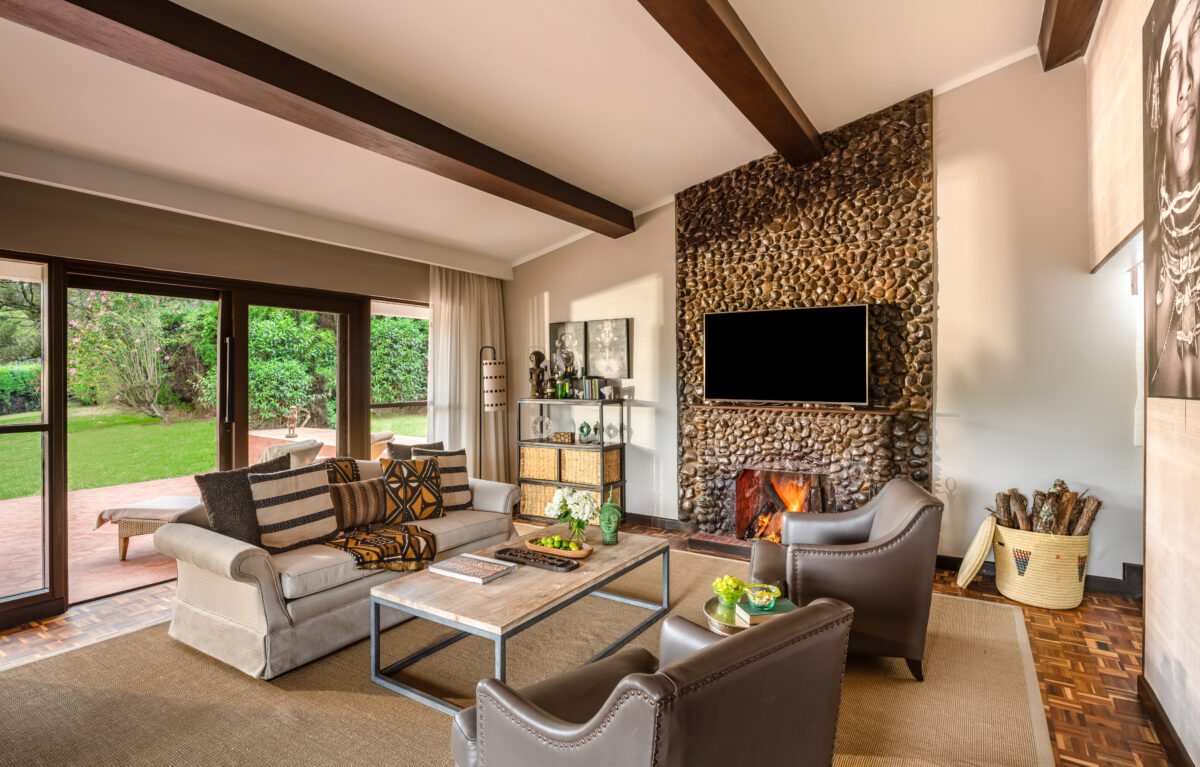
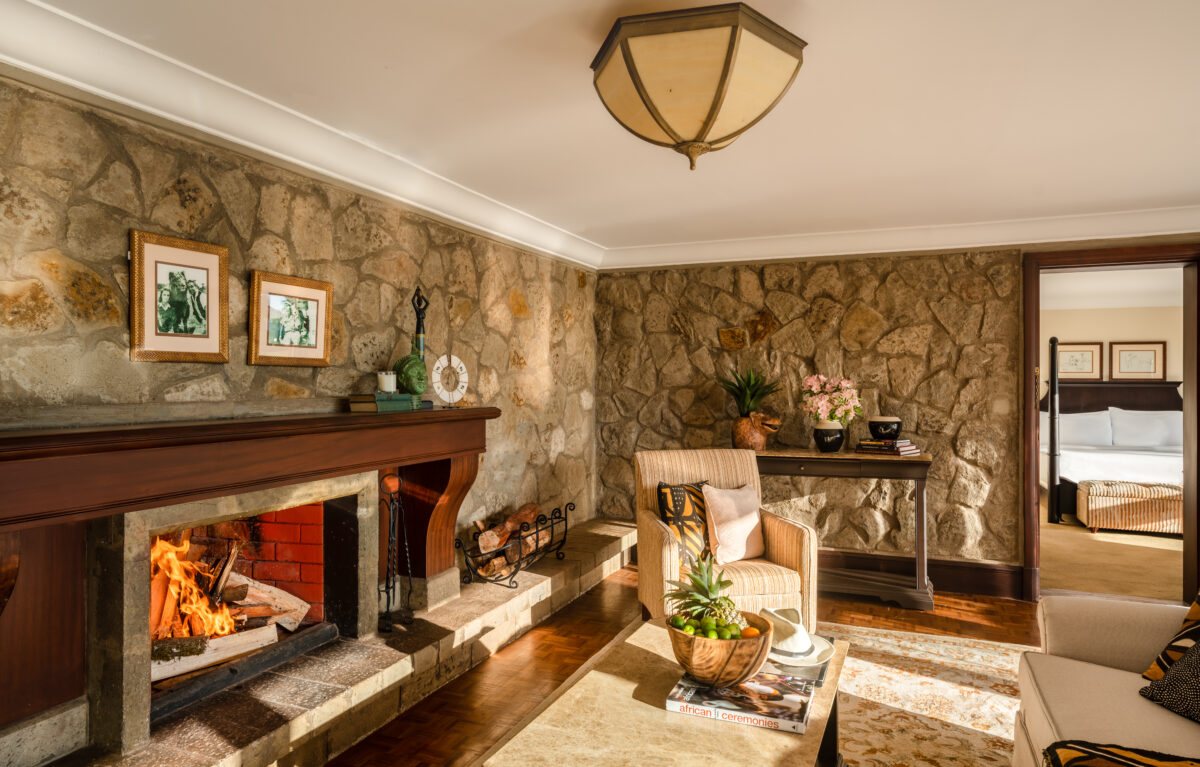
A century-old safari club on the equator: stone fireplaces, arched timber windows and balconies facing Mount Kenya.
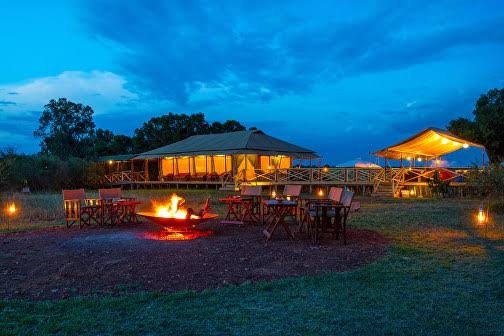
Sleep in a tent on the savannah, dine by the campfire and head straight out on a game drive at dawn.
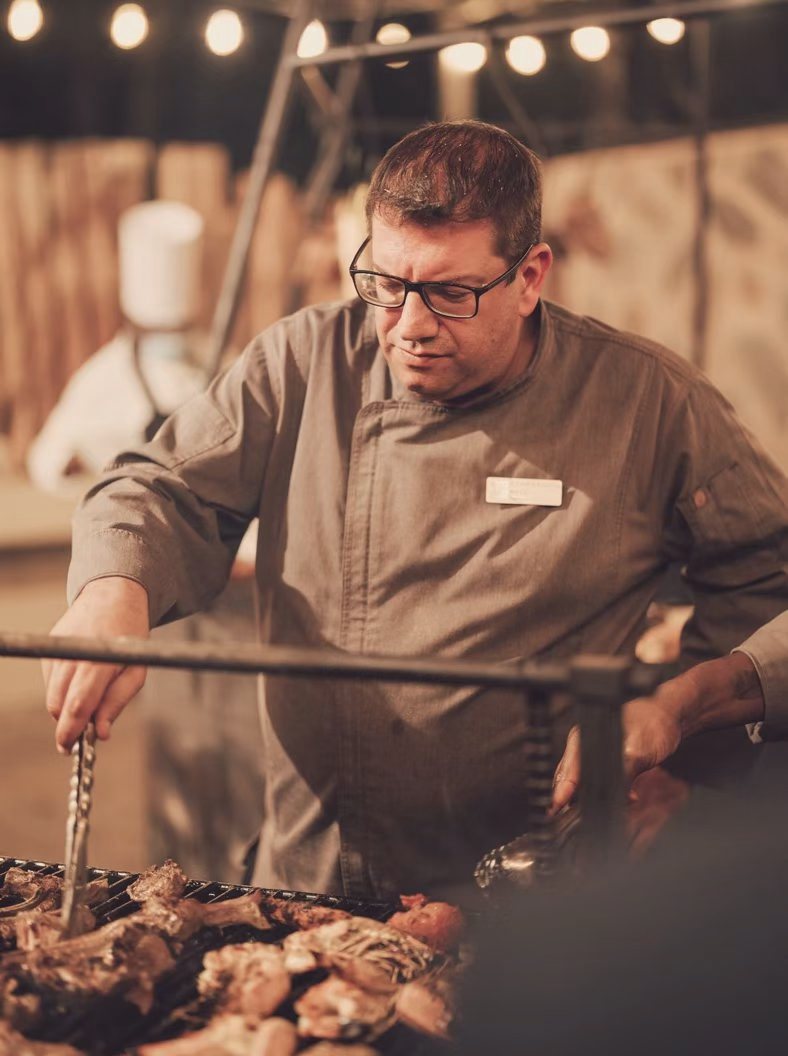
Top chefs prepare all meals. Hotels confirmed before departure.
No. All levels are welcome, from beginners to advanced. Brian teaches as you shoot, reviews your photos daily and helps you sort out your gear before you go.
July–August is Kenya’s dry season: the most settled weather and the best time for wildebeest crossings on the Mara River.
No. July is about 30°C by day and 20°C at night, mostly sunny – more comfortable than you’d think.
In Australia, call Phoenix Travel on (03) 9890 9880, or add our team on WeChat.
22–31 Jul 2027 · 12 guests
Sign up